
[buganalyzr]
The Ultimate Guide to Bug Bite Identification
Quick Bug Bite Identifier
Not sure what bit you? This guide cuts through the guesswork.
Most bug bites look similar at first glance. But subtle differences matter. Shape, color, and pattern tell you what happened while you slept.
- Single Red Bump
- Mosquitoes leave these calling cards. The bump appears round and slightly raised. Color ranges from pink to red. Itching starts within minutes. Pain level: minimal. Danger level: low (unless you’re in a malaria zone).
- Cluster of Small Bites
- Bed bugs attack in groups. Look for three bites in a row exterminators call this “breakfast, lunch, dinner.” Each bite appears flat-topped and red. Itching intensifies over 24 hours. Pain level: low. Danger level: low (but your mattress needs attention).
- Bull’s-Eye Pattern
- Ticks create this distinctive mark. A red outer ring surrounds a clear zone with a red center. This pattern screams Lyme disease risk. The bite feels firm to touch. Pain level: none initially. Danger level: high see a doctor immediately.
- Two Puncture Marks
- Spider bites show twin fang marks. The area around them turns red or purple. Swelling spreads within hours. Some species cause severe cramping. Pain level: moderate to severe. Danger level: medium to high (black widows and brown recluses require medical care).
- Line of Bites
- Fleas jump and bite in straight lines. Each mark looks tiny and red. They cluster around ankles and lower legs. Itching drives you crazy. Pain level: low. Danger level: low (but treat your pets).
- Large Welt with White Center
- Fire ants inject venom that creates this signature look. The white pustule forms within 24 hours. Multiple bites appear in clusters. Pain level: high it burns. Danger level: medium (allergic reactions happen fast).
- Raised Red Streak
- Chiggers burrow and leave red, itchy trails. The bites appear where clothing fits tight. Itching peaks after 24-48 hours. Pain level: none, just maddening itch. Danger level: low.
- When to Worry
- Seek medical help if you notice: spreading redness beyond the bite site, fever within 72 hours, difficulty breathing, severe swelling, or bites that won’t heal after two weeks.
Most bites heal on their own. But knowing what bit you changes how you treat it and whether you need professional help.

Signs You Should Worry (Emergency Symptoms)
Most bug bites annoy you. Some can kill you.
Your body sends clear distress signals when a bite turns dangerous. Learn to recognize them.
- Call 911 Immediately If You Experience:
Difficulty breathing develops within minutes of a bite. Your airway narrows. Each breath requires effort. This signals anaphylaxis, a life-threatening allergic reaction.
A swollen tongue or lips means the same thing. Your throat may close completely. Don’t wait to see if it gets worse. It will.
Severe allergic reactions show multiple symptoms at once. Hives spread across your body. Your heart races. Dizziness hits hard. You might vomit or lose consciousness. These minutes count.
- Serious Symptoms Requiring Urgent Care:
The spreading rash extends beyond the bite site hourly. The red area grows larger than a quarter. This suggests your body can’t contain the reaction locally.
Fever or chills within 72 hours point to infection or disease transmission. A temperature above 100.4°F needs medical evaluation. Mosquitoes carry West Nile virus. Ticks transmit Lyme disease and Rocky Mountain spotted fever.
Red streaks radiating from the bite mark blood poisoning (lymphangitis). The lines look like red fingers spreading up your arm or leg. Bacteria have entered your lymphatic system. Untreated infections can become septic.
Necrosis appears as blackening skin around spider bites. The tissue dies and creates an open wound. Brown recluse venom destroys cells. The damage spreads deeper than you can see. Surgery may be required to remove dead tissue.
- Other Warning Signs:
Severe pain that worsens instead of improving after 24 hours indicates venom or deep infection. Normal bites hurt less over time.
Muscle cramps or weakness suggest neurotoxic venom. Black widow bites cause abdominal rigidity. The pain mimics a heart attack.
Confusion or an altered mental state means toxins have reached your brain. Tick paralysis can cause this. So can severe allergic reactions.
- The 15-Minute Rule
Anaphylaxis strikes fast. Symptoms appear within 15 minutes of a bite. Keep an epinephrine auto-injector (EpiPen) nearby if you have known allergies. Use it first, then call 911.
- Don’t Gamble With These:
Your immune system fights billions of battles daily. But some opponents require backup. Medical intervention saves lives when bites trigger extreme responses.
Trust your instincts. Something feels wrong? It probably is. Emergency rooms would rather see a false alarm than treat a preventable death.
Most Common Bug Bites (With Pictures & Clear Symptom Guides)
Mosquito Bites
In my experience, mosquito bites are easiest to spot when you notice small, puffy, round bumps that often appear on exposed skin areas like the ankles, hairlines, backs of knees, and necks. These bites usually show up as a redder area with lighter surrounding skin and can be either isolated or form a small cluster. Mosquitoes tend to hang out in their prime mosquito territory during dawn and dusk, so bites will often center around these times and places. Recognizing these subtle signs can help distinguish mosquito bites from other insect bites quickly and with confidence.
Symptoms to note:
When dealing with bites from mosquitoes, it’s important to monitor how the affected area can grow from a seemingly painless spot to painful, swollen welts that carry risks of diseases like West Nile and Zika. Individuals may also suffer from flu-like symptoms or cold-like symptoms, especially if they develop skeeter syndrome, a more intense allergic reaction to mosquito bites. The first sign usually includes an itchy bump on surrounding skin, which can quickly evolve, so vigilance is key to recognizing if bites become more than just a minor nuisance.

Flea Bites
Unlike bed bug or lice bites, flea bites typically present as small, red bumps that often appear in clusters or lines with characteristic reddish halos on the surrounding skin. Fleas prefer warm places and tend to bite around the ankles, knees, groin, and armpits, especially where clothes fit tightly or pets frequent. These bites are notorious for their intense itchiness and are distinct from other critters like bed bugs by their clustered pattern and specific location preferences. Recognizing these signs early can help manage and control a flea infestation effectively.
Symptoms to note:
Bug bites, including flea bites, often begin with itchy or sore sensations and may quickly become painful, resulting in a rash on the affected skin. It’s essential to avoid scratching since this can cause symptoms to worsen and potentially lead to infection. Flea bites tend to become irritated around areas they commonly bite, often where clothes fit snugly, like ankles or groin. Recognizing these very typical symptoms can assist in differentiating flea bites from other insect marks and guide timely care to prevent complications.

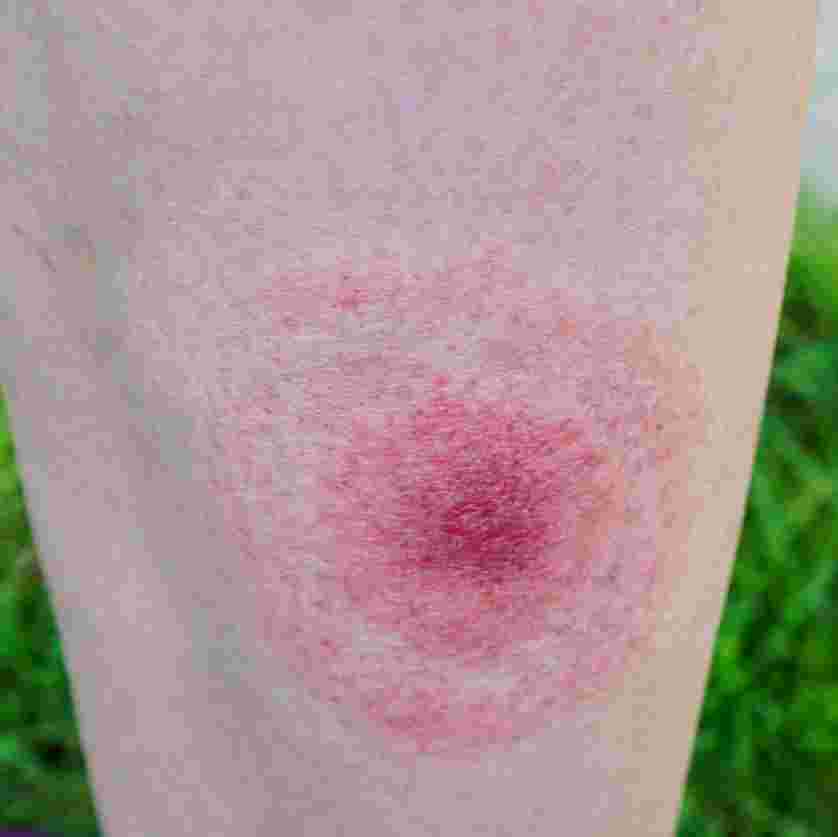
Tick Bites
Knowing the ID of a tick bite is crucial since these pests feed on blood and can sometimes linger unnoticed for three to six days. A typical bite exhibits a red spot, the size of a dime, most often found on warmer parts of the body, such as the hairline, armpits, behind the knees, and groin. The best way to manage a tick is to find one early and leave no doubt by careful removal. Tick bites can occur anywhere, but tend to bite around these specific areas due to their preference for warmth and moisture, making early recognition vital to preventing tick-borne illnesses. Not everyone develops the same reaction, so staying vigilant is key.
Symptoms to note:
When it comes to tick bites, what first catches my attention is the painless yet itchy red spot that often appears days to weeks after the bite, sometimes evolving into a distinctive bullseye rash. This rash signals potential tick-borne illnesses such as Lyme disease, ehrlichiosis, anaplasmosis, or tularemia, with severity and risk varying depending on the type of tick involved. Not everyone experiences the serious symptoms associated with these conditions, so monitoring the bite site and symptoms is crucial to early detection and treatment. If you notice the rash or flu-like symptoms appearing after a known tick bite, take it seriously, as these infections can be dangerous if left untreated.
Chigger Bites
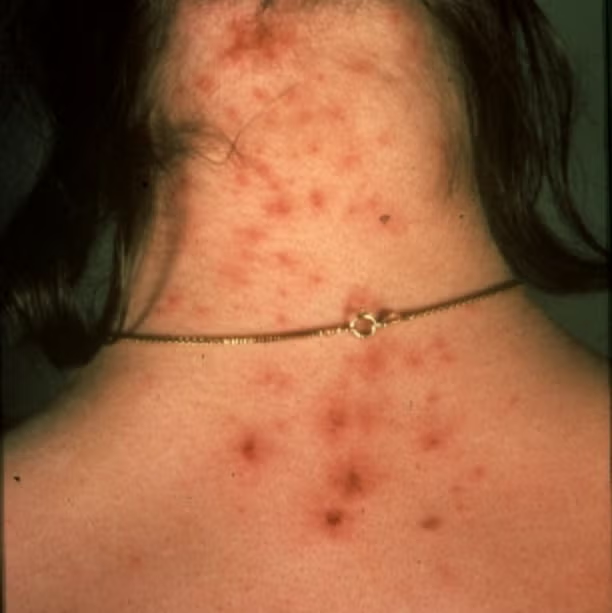
Chigger bites, caused by tiny, red mites also known as berry bugs or harvest mites, are often invisible to the naked eye but leave behind unmistakable marks. These bites take the form of flat, red patches or raised red bumps, appearing mostly on areas like ankles, wrists, thighs, groin, and waist places where skin is warm and clothing fits tightly. The bites often become extremely itchy and can sometimes develop into blisters or pustules, which I’ve seen in cases where scratching intensifies irritation. Understanding these characteristic symptoms helps differentiate chigger bites from other insect problems and prompts timely treatment to ease discomfort.
Symptoms to note:
Contrary to popular belief, chiggers do not actually burrow into skin or suck blood; instead, the tiny, red mites cause intensely itchy bites that lead to severe discomfort lasting up to two weeks. These mites are widespread across the United States and, unlike other pests, don’t spread disease, making them less dangerous but certainly irritating. Understanding this distinction helps prevent unnecessary worry and focuses treatment on relieving inflammation and itchiness rather than combating infections.

Lice Bites
Lice bites often come from a too-close-for-comfort pest like head lice that leave behind small, red, abraded spots or patches on the scalp and surrounding skin. The initial giveaway might be intense itching, but you might see the tiny insects themselves or their eggs called nits attached to hair shafts. If the bites are left untreated, they can grow irritated and cause further discomfort, making it important to recognize these subtle yet telling signs early. Although lice bites may seem minor, the body’s reaction to them can sometimes be a source of persistent irritation.
Symptoms to note:
Lice bites cause an unmistakable itchy sensation that can make you feel like something is moving or tickling your hair, which can quickly become a trouble sleeping and lead to sores from constant scratching. This infestation is quite persistent and can actually worsen if not addressed promptly, so finding a solution for getting rid of these bugs A.S.A.P. is essential to prevent the bites from multiplying and causing further discomfort. Lice bites are not just a minor nuisance; they reflect a close contact with a too-close-for-comfort pest that requires immediate attention.
Horsefly & Deer Fly Bites
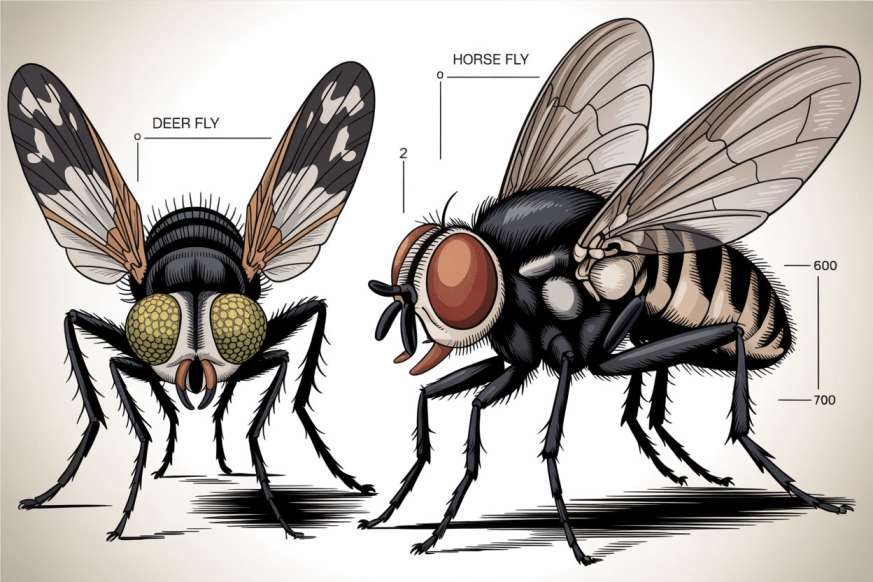
Both deer flies and horse flies belong to the same family, with deer flies being the miniature version, often recognized by their spotted eyes and dark-spotted pattern on their wings, as noted by the Missouri Department of Conservation. These insects are fierce blood-seeking pests that use fang-like appendages to puncture skin and drink blood from their hosts. The resulting bites often look like cuts that bleed instantaneously and can cause raised, painful welts; because of this, their bites are pretty distinct and quite unpleasant. Both flies use this aggressive biting method, so vigilance around them is necessary to avoid these painful encounters.
Symptoms to note:
According to the University of Kentucky Department of Entomology, female flies such as deer flies and horse flies produce bites that are notably painful and itchy, causing a reaction in people many liken to a bee sting. The flies’ saliva causes a sharp pain and persistent itching, and some individuals may even exhibit significant allergic reactions including hives, wheezing, or other serious symptoms. These bites are known for causing uncomfortable welts with irritation, swelling, and while these typically disappear within a day or so, secondary infections can occur if the bite is scratched excessively. Keeping the bite clean and treating with anti-itch creams usually suffices; however, when an allergic-type reaction happens or rare cases related to bacterial disease tularemia with painful ulcers emerge, it is crucial to seek medical attention promptly.
Sand Fly Bites
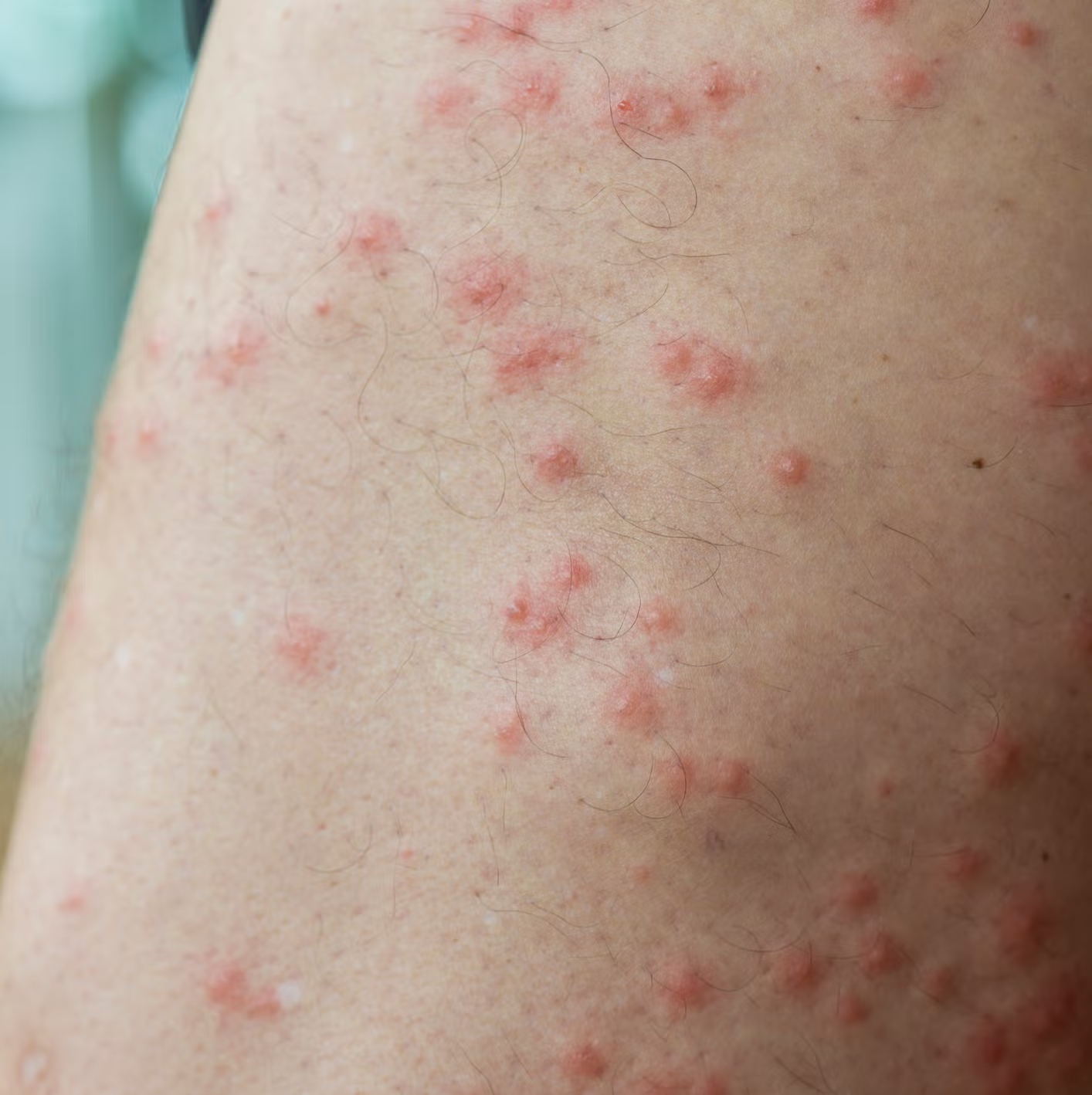
Sand fly bites are quite distinct, often appearing in groups as small, red bumps that can quickly evolve into blisters. In my experience and according to health sources, these bites are accompanied by sharp pain and itching, and scratching can lead to secondary infections. Recognizing these signs is essential, especially in tropical and subtropical regions where sand flies are common and can transmit diseases like leishmaniasis.
Symptoms to note:
Sand fly bites are often painful and itch, presenting as small red bumps or even blisters that may persist, especially in the tropics, subtropics, and southern Europe. These flies can transmit a parasitic infection called leishmaniasis, which causes skin lesions and ulcers that might develop weeks after the initial bite. While many bites merely cause uncomfortable welts, awareness of these symptoms is crucial due to the potential seriousness of the diseases they can carry.
Ant Bites (Fire Ants + Regular Ants)
Black, brown, and garden ants are some of the most recognizable urban pests that, when harassed, will attack in community groups, according to Cornell pest management experts. Their bites commonly produce a unique rash pattern often associated with fire ants these bites can be painful and produce redness, swelling, and itching. While fire ant bites are notorious for their burning pain and pustule formation, bites from regular ants cause milder irritation but still require attention to avoid infection and discomfort. Knowing the specific ant type helps guide the best treatment and prevention strategies effectively.
Symptoms to note:
Bed bug bites typically cause pain, swelling, and relentless itching. To treat these symptoms, topical anti-itch creams and antibacterial ointments are often effective in soothing the skin and preventing secondary infection. Persistent scratching can worsen symptoms and delay healing, so it’s essential to keep the bite clean and monitor for signs of infection. If symptoms intensify or do not improve, consulting a doctor is advised to manage potential complications early.

Bee, Wasp, Yellow Jacket & Hornet Stings
Bee, wasp, yellow jacket, and hornet stings often start with a sharp, painful sensation at the sting site, leaving a small, red spot or welt that may have a white center where the barbed stinger punctured the skin and injected venom. Unless the stinger is promptly removed, venom continues to affect the body, causing itching, swelling, redness, and sometimes a burning feeling that usually recedes within hours. These stings, common in bees and wasps, including yellow jackets with their distinctive poisonous venom, often cause discomfort but typically resolve with basic care such as ice and topical treatments. However, people with allergies need to watch for severe reactions and should seek medical attention immediately if they experience widespread rash, difficulty breathing, or swelling beyond the sting area.
Symptoms to note:
Bee, wasp, yellow jacket, and hornet stings typically present with a raised, inflamed, red welt on the skin, often marked by a white or yellow center where the barbed stinger punctured the body and injected venom. These painful, itchy spots usually develop quickly and start to recede within hours but can cause significant discomfort.
For some, especially those with allergic reactions, symptoms can escalate to include shortness of breath, throat swelling, lip and eye swelling, wheezing, dizziness, and even loss of consciousness signs requiring immediate medical attention. While most will recover with basic care, severe anaphylactic shock is a rare but life-threatening complication needing emergency intervention. Monitoring symptoms like nausea, vomiting, and hives can help determine when to call a doctor and ensure timely treatment.
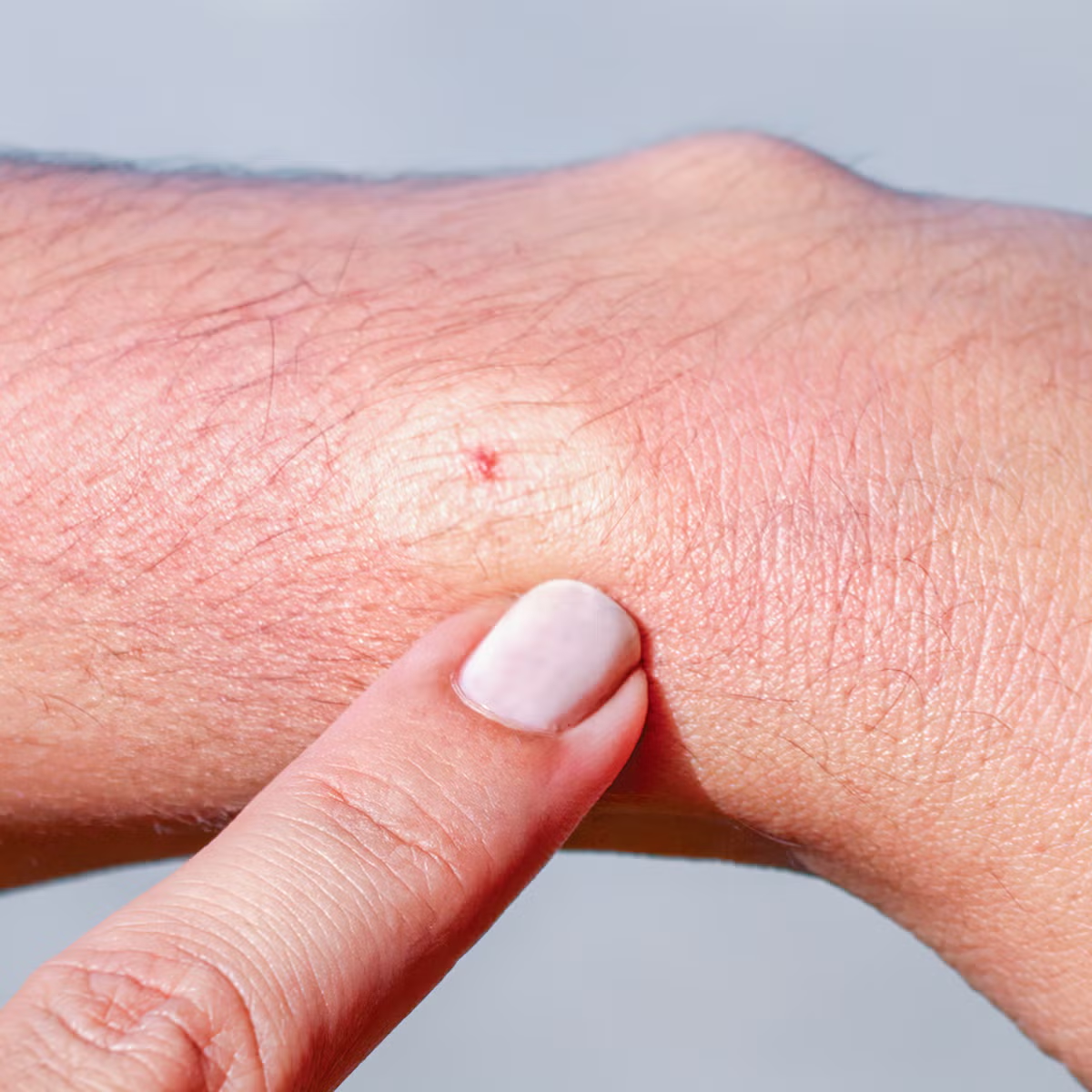
Spider Bites
Brown Recluse
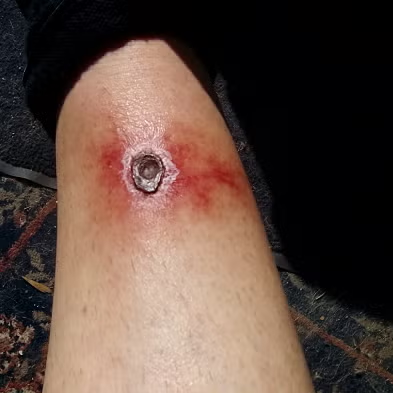
The brown recluse spider is known for the distinctive violin-shaped mark on its upper back and prefers warm, dry climates, often residing in undisturbed basements, closets, and attics. Its bite is usually painless initially, about an inch wide, but within hours the skin reddens, developing a characteristic white and red bullseye shape that may blister and cause significant pain. The spider’s venom can cause serious tissue damage if untreated, potentially leading to open sores and long-term scarring, making early recognition and medical care essential.
Symptoms to note:
The brown recluse spider bite is usually painless initially, but causes moderate to severe pain and itching at the bite site within two to eight hours. The skin often reddens and forms a distinctive white and red bullseye-shaped patch, which may develop blisters due to the venom’s ability to cause tissue damage. More serious complications can include fever, body aches, nausea, vomiting, and severe systemic effects like hemolytic anemia (a blood disorder) and rhabdomyolysis, which is the breakdown of muscle tissue, potentially leading to kidney failure. This deadly progression requires that any suspicious bite be suspected quickly, with prompt medical care sought, especially if accompanied by systemic symptoms beyond the localized bite. Proper picture-positive identification can be crucial for early intervention.
Black widow
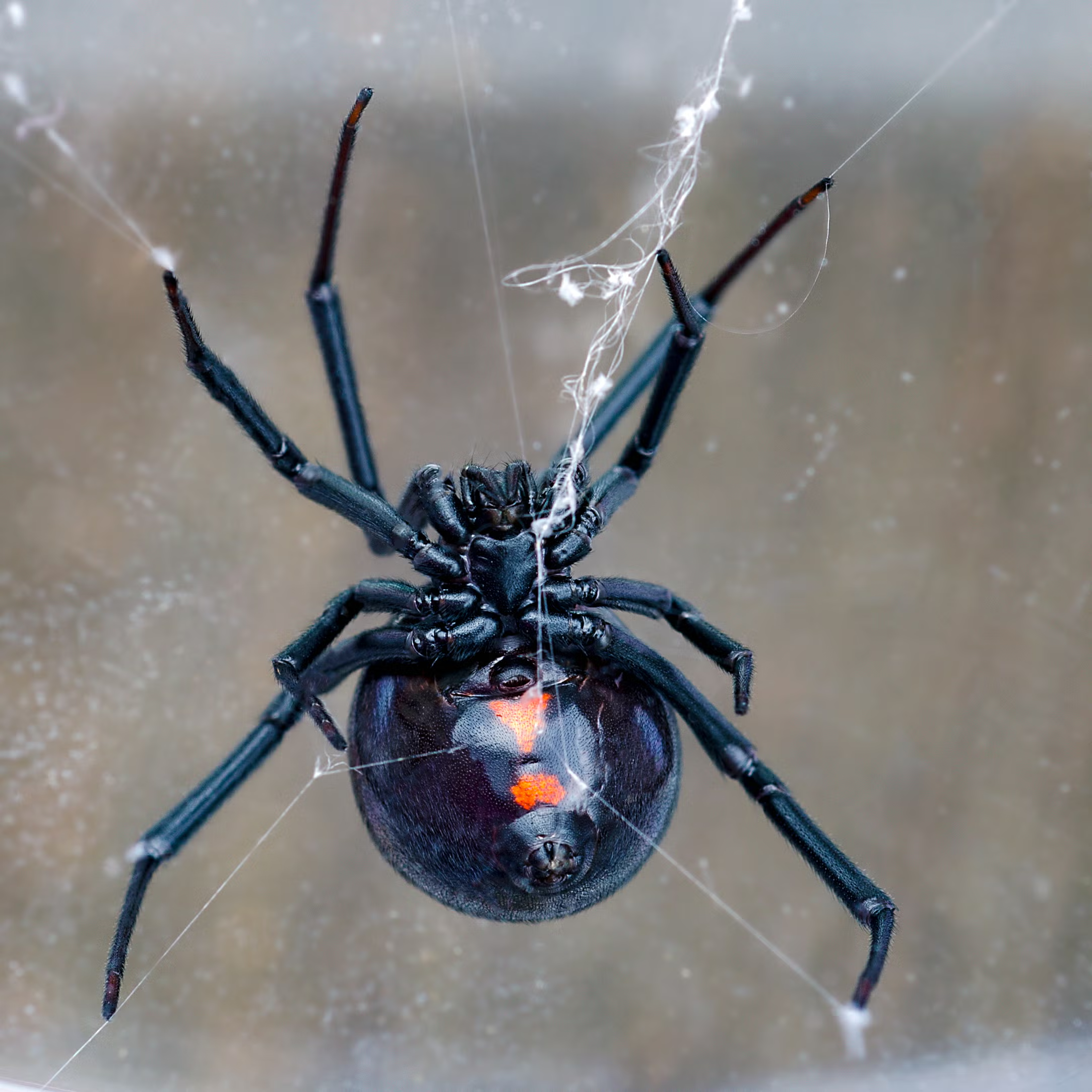
A black widow spider bite usually shows two small puncture marks surrounded by a red, white circle or a bullseye shape on the abdomen. These spiders are generally nonaggressive, but when disturbed or crushed, they can attack. The bite may be painless initially, but soon causes a plump, shiny, black spider’s distinctive hourglass-shaped red mark to become evident. The venom affects the nervous system, inducing symptoms that can escalate rapidly and require urgent medical attention if severe. Early identification through the bite area’s characteristic colors and shape can guide prompt care and reduce complications.
Symptoms to note:
A black widow spider bite often starts with a small red or white circle at the bite area where the plump, shiny spider’s distinctive hourglass-shaped mark is located on the abdomen. Within hours, symptoms expand to include sharp muscle pain, spasms, cramps, and stiffness in areas like the arms, legs, abdomen, and back. The bite can cause tremors, sweating, weakness, chills, nausea, vomiting, headache, fever, and skin itching or rash near the site, sometimes with swollen eyelids. Serious systemic symptoms such as difficulty breathing, restlessness, and even seizure may emerge due to the spider’s neurotoxin, alpha-latrotoxin, requiring immediate medical attention to manage potentially life-threatening complications.
Wolf Spider
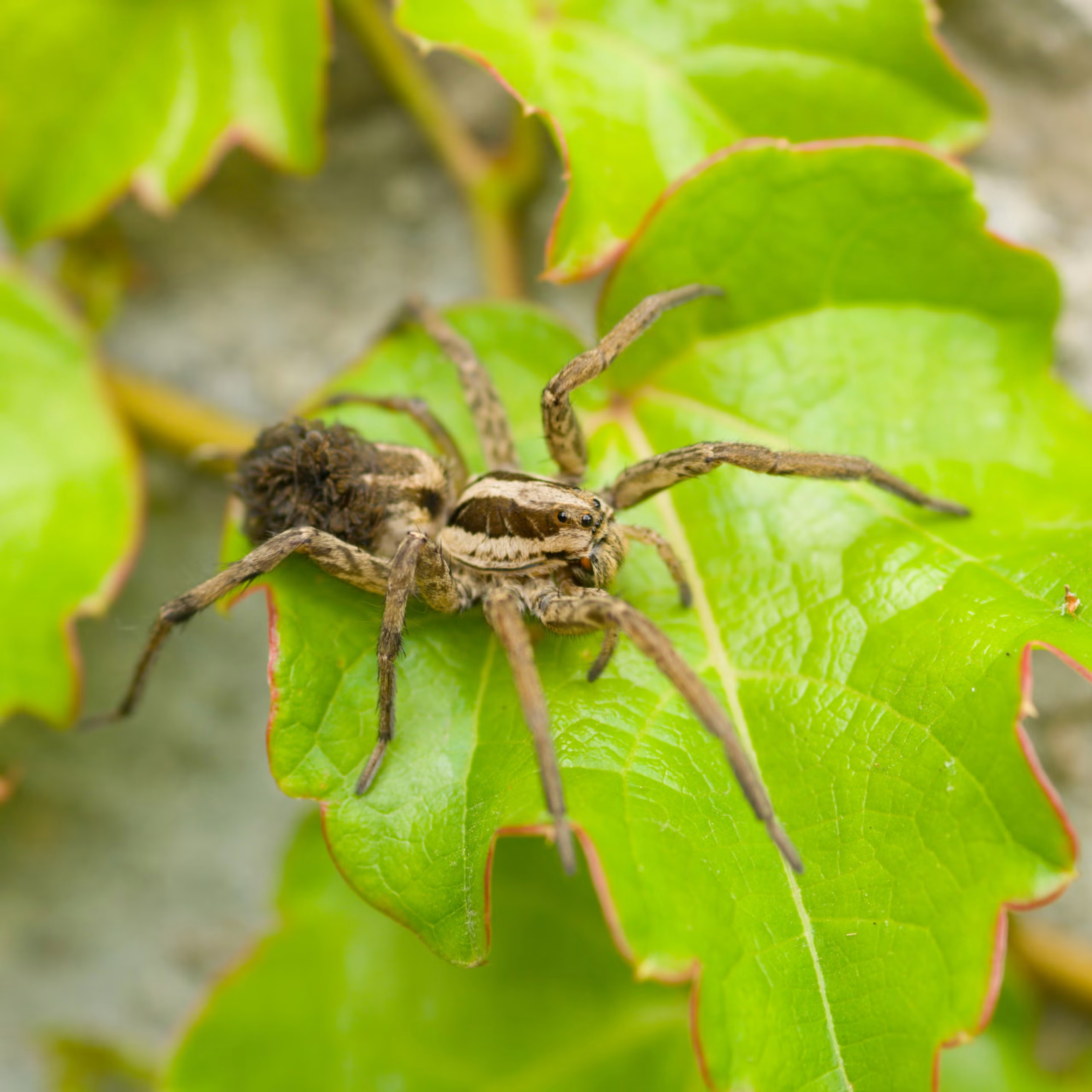
A wolf spider bite typically leaves fang-like marks on the skin and may cause a torn, tender, red, itchy bump that generally heals within seven to 10 days. These spiders, native to the United States, are large, about 2 inches long, with a fuzzy gray or brown appearance and are generally nonaggressive, only biting if threatened. While bites usually resemble mild bug bites with localized pain and itching, anyone experiencing more severe symptoms or signs of an allergic reaction should seek medical advice promptly.
Symptoms to note:
A wolf spider bite is typically not venomous to humans, but it can still cause a red, tender, itchy bump with fang-like marks on the skin where the bite occurred. The skin around the bite might torn and feel sore or numb. While usually mild, the bite can cause redness and swelling that increases in size over time and sometimes leads to ulcers or blistering. If symptoms worsen, such as difficulty breathing, dizziness, or signs of an allergic reaction, it is crucial to call a doctor right away for medical attention. Typically, the bite heals in seven to 10 days, accompanied by pain and itching, but monitoring for infection or severe response is important.
Scabies
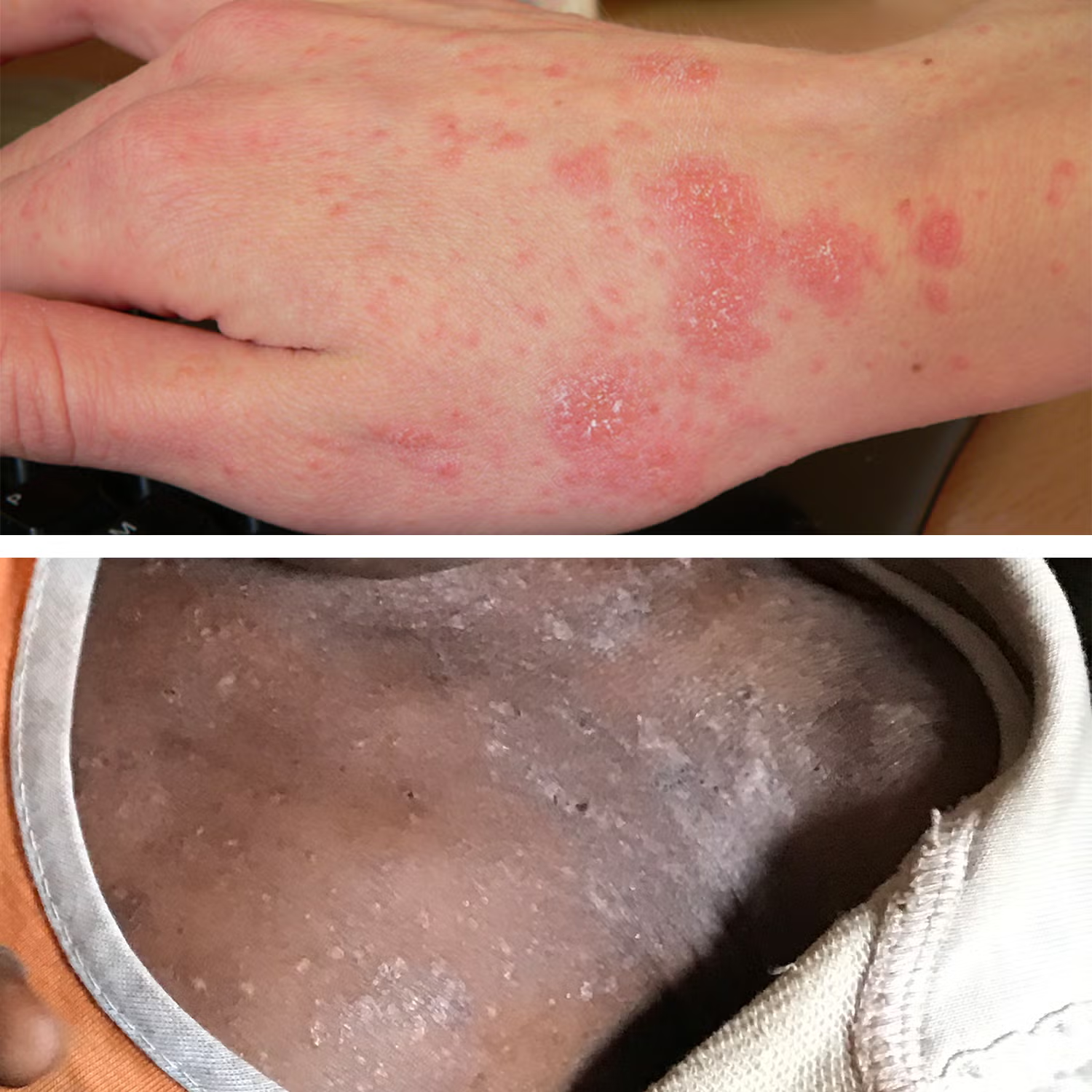
Scabies is a contagious skin infestation caused by a microscopic mite that burrows into the surface of the skin to reproduce and lay eggs. This leads to an intensely itchy, red rash characterized by pimply, tiny blisters, scaly patches, and sometimes hives. Typical signs include lines of insect bites or pimples often found in skin folds but also affecting palms, soles, scalp, and especially vulnerable groups like infants and children.
Persistent scratching can cause sores, crusts, and severe infections potentially leading to sepsis. Early diagnosis, often clinical but supported by microscopic examination of skin scrapings, along with treatment of all close contacts, is critical to controlling this severe and contagious condition.
Symptoms to note:
After initial exposure to scabies, symptoms typically take 2 to 5 weeks to appear, but during re-exposure, they can develop quickly within 1 to 4 days. The hallmark of scabies is an intense itching rash that worsens at night and leads to continuous scratching, which can cause sores and increase the risk of infected skin. The rash usually consists of red, pimply, tiny blisters, scaly patches, and hives, often appearing along lines of insect bites or pimples in skin folds, including the palms, soles, scalp, and is commonly seen in infants and children. Given scabies is caused by contagious microscopic mites that burrow into the skin to reproduce and lay eggs, recognizing these symptoms early and seeking doctor consultation for treatment is essential to prevent the spread and manage the infestion effectively.
Kissing Bug Bites (Chagas risk)
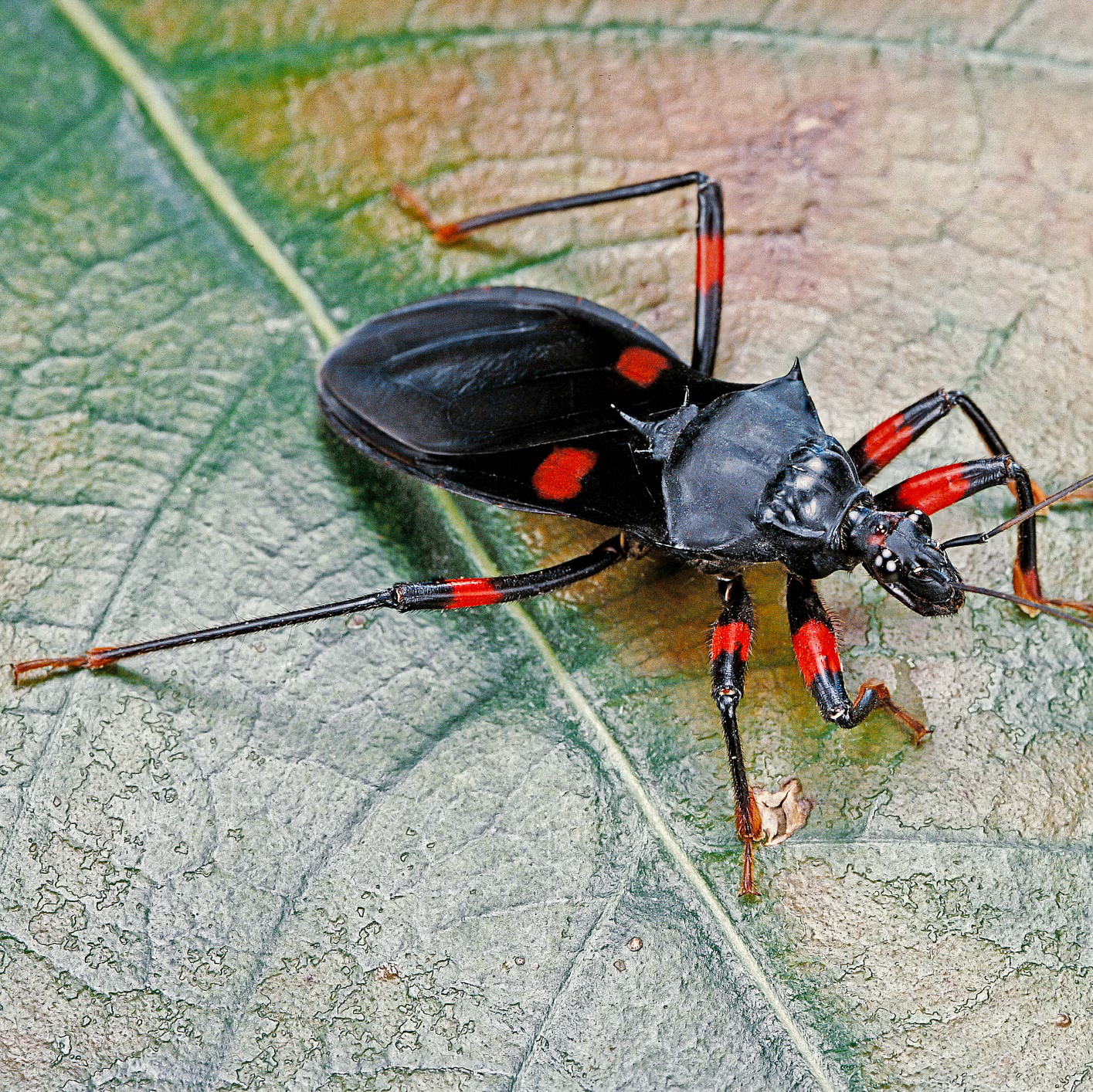
Kissing bugs, or triatomine bugs, are found in Mexico, Central and South America, and parts of the United States, featuring varieties with a cone-shaped head, light brown, black, yellow, red, or tan coloration, and distinctive markings on their face, mouth, body, oval abdomen, antennae, and legs. These thin, flattened, shiny insects often bite in clusters, usually around the face and mouth, leaving red, itchy spots that can easily be mistaken for other insect bites. Importantly, their bites pose a risk of transmission of Chagas disease through the parasite carried in their feces, demanding vigilance and prompt medical evaluation if bitten. Recognizing their physical features and bite patterns helps distinguish these potentially dangerous bugs from others.
Symptoms to note:
After initial exposure to scabies, symptoms usually take 2 to 5 weeks to appear, but during re-exposure, they can develop quickly within 1 to 4 days. The infection, caused by microscopic mites that burrow into the skin to reproduce and lay eggs, manifests as an intensely itchy, red rash featuring pimply, tiny blisters, scaly patches, and hives. Characteristic lines of insect bites or pimples often appear in skin folds and may spread to the palms, soles, scalp, especially in infants and children. Persistent scratching can lead to sores, crusts, and even severe infections like sepsis. Early diagnosis and treatment guided by a doctor are crucial to controlling this highly contagious and severe infestation.
Scorpion Stings
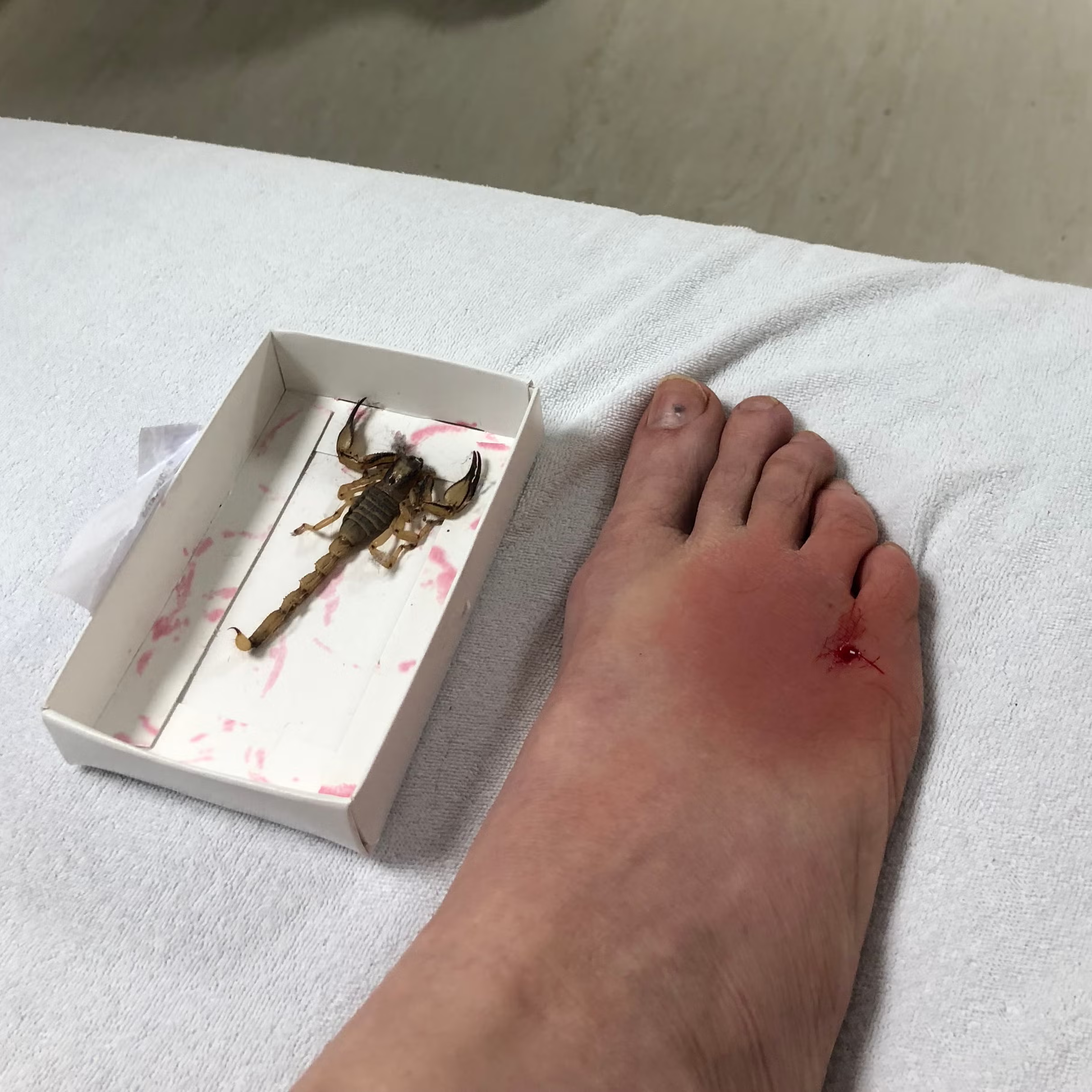
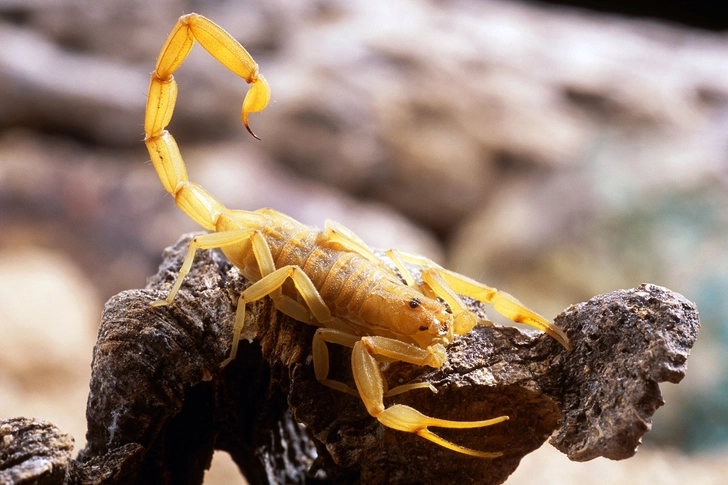
Scorpions are eight-legged arachnids with large pinchers and long, segmented, stinger-tipped tails that curve over their backs. Their stings cause red, swollen, and painful reactions at the site within minutes, often described as a burning or heavy sensation. The scorpion’s body includes broad pedipalps, short fingers, and a chitin exoskeleton divided into prosoma and opisthosoma, covered with sensory setae and characteristic reddish-brown banding on the abdomen and legs.
While most stings result in localized pain, some species’ venom can cause systemic symptoms such as muscle twitching, difficulty breathing, drooling, nausea, vomiting, rapid heart rate, and high blood pressure, especially in children or sensitive individuals. Prompt medical attention is crucial to manage symptoms and prevent complications.
Symptoms to note:
Scorpion stings cause intense, immediate pain and can produce tingling, numbness, swelling, and redness around the sting site within minutes. More severe symptoms, especially in infants, children, and hypersensitive adults, include muscle twitching, spasms, drooling, sweating, nausea, vomiting, rapid heart rate, anxiety, restlessness, blurry vision, slurred speech, difficulty swallowing, and breathing problems.
These signs indicate severe envenomation and require immediate medical attention to prevent life-threatening complications such as anaphylaxis and hypertension. Local reactions typically involve inflammation, warmth, and burning pain, but systemic symptoms alert healthcare providers to urgent care needs.
Blister Beetle Bites
Blister beetle bites cause painful, red, swollen welts or large fluid-filled blisters within a few hours of contact with the beetle’s chemical cantharidin. These reactions damage the skin and cause intense irritation, burning, and pain. The lesions often form on exposed skin but can seriously affect sensitive areas like the eye and mucous membranes.
In severe cases, systemic symptoms like a rapid heart rate, nausea, vomiting, bloody diarrhea, difficulty swallowing, excessive salivation, shock, and kidney damage indicate toxicity requiring immediate medical attention. Treatment usually focuses on managing the local reaction with cleansing and symptom relief while monitoring for any further complications.
Rare but Dangerous Bites You Should Know
Puss Caterpillar
Contact with a puss caterpillar induces intense pain that often comes in waves, accompanied by a burning, itching, red rash with raised blotches and ridges. Within a few hours, the sting site may swell, sometimes forming blisters and causing swelling. Systemic signs include restlessness, anxiety, nausea, vomiting, fever, muscle cramps, and in severe cases, shock and respiratory distress.
Immediate removal of any broken-off spines using cellophane tape or a commercial facial peel is essential, followed by washing with soap and water and symptom management using ice packs, calamine lotion, baking soda slurry, topical isopropyl alcohol, hydrocortisone, or antihistamine cream. Severe symptoms require calling a doctor right away for prompt medical attention.

Assassin Bugs
Kissing bugs, also known as assassin bugs, carry the parasite Trypanosoma cruzi, the cause of Chagas disease. Studies indicate about 55% of kissing bugs are infected, though not all carry the parasite. In the United States, around 280,000 people are affected yearly, though many remain unaware. These bugs are nocturnal and often bite the face, causing swelling of the eyelid known as Romaña’s sign.
Early symptoms may include fever, fatigue, body aches, headache, rash, loss of appetite, diarrhea, and vomiting, while some remain symptomless. Serious complications develop in 20-30% of infected individuals, such as enlarged heart, heart failure, abnormal heart rhythm, cardiac arrest, and megacolon affecting digestion. The parasite is primarily transmitted not by the bite itself, but through contact with the bug’s feces at the bite site, eyes, nose, or mouth, making hygiene and avoidance crucial.
How to Identify a Bug Bite by Symptoms
Bites That Itch a Lot
Common culprits include mosquitoes, fleas, mites, and chiggers. Symptoms often feature intense itching, small red bumps or spots, and sometimes a rash. Flea bites typically appear in clusters or lines and cause very itchy bumps surrounded by a reddish halo, often on legs and feet. Mosquito bites produce small, round, puffy bumps that start itching soon after a bite. Mites and chiggers can cause pimply or blister-like itchy rashes, often with tiny burrows visible on the skin.


Bites That Hurt Immediately
Typical insects that cause immediate pain are bees, wasps, fire ants, and horseflies. These bites often produce sharp pain, swelling, redness, and sometimes blistering. Fire ant stings appear as swollen spots with blisters on top. Bee and wasp stings can cause pain, swelling, and redness right away, along with potential allergic reactions. Horsefly bites are painful puncture wounds that often result in tenderness and swelling.
Bites That Appear in a Line or Cluster
Bed bugs and fleas usually cause bites arranged in lines or groups. Bed bug bites are often red welts that may appear in tight lines of small marks and can cause itching and burning sensations. Flea bites also appear clustered especially on lower legs and feet, causing intense itchiness.

Bites With a Bullseye Pattern
Tick bites, especially those that can lead to Lyme disease, might cause a distinctive rash with a bullseye pattern. This rash consists of a red ring surrounding a clear area with a red center. Tick bites may also cause pain, swelling, burning, or itching at the bite site.


Bites With Blisters
Certain spider bites (like brown recluse or fire ants) and blister beetles can cause blisters or welts. Brown recluse spider bites often show redness, swelling, and blister formation followed by pain. Fire ant stings present swollen, blistered spots that can burn and itch.
Bites That Cause Numbness or Tingling
Bites from scorpions and black widow spiders can produce numbness or tingling sensations. These bites are often accompanied by intense pain, swelling, and systemic symptoms like muscle spasms or difficulty breathing in severe cases.
This guide helps reverse-search bugs by their symptom patterns, aiding quick identification for proper treatment and urgent care if needed.

Diseases Linked to Bug Bites
- Lyme disease
- Rocky Mountain spotted fever
- West Nile virus
- Dengue, Zika, Chikungunya
- Chagas disease
- Alpha-gal syndrome
- Skin infections (cellulitis)
- Allergic reactions / anaphylaxis
These diseases are transmitted by various bug vectors such as ticks (Lyme disease, Rocky Mountain spotted fever), mosquitoes (West Nile virus, Dengue, Zika, Chikungunya, Yellow fever, Malaria), triatomine bugs (Chagas disease), and others. Some bug bites can also lead to serious allergic reactions or skin infections like cellulitis.
Alpha-gal syndrome is a tick-related allergy to red meat that can develop after a tick bite. Awareness of these diseases helps in prompt diagnosis and treatment after suspected exposure through bug bites.
How to Treat Bug Bites (Step-by-Step Guide)
Immediate First Aid
- Cleaning: Gently wash the bite area with soap and water to remove dirt and reduce the risk of infection.
- Ice: Apply a cold compress or ice pack wrapped in a cloth to the bite for 10-15 minutes to reduce swelling and numb pain.
- When to Remove Stingers: If the bite is from a bee or similar insect with a visible stinger, remove the stinger carefully by scraping it out with a fingernail or a flat edge (avoid squeezing, which can release more venom).
- Tick Removal: Use fine-tipped tweezers to grasp the tick as close to the skin’s surface as possible and pull upward with steady, even pressure. Clean the area after removal. Avoid twisting or jerking that may leave mouthparts embedded.
- Reducing Swelling: Keep the affected area elevated if possible. Over-the-counter antihistamines and anti-inflammatory medications can help reduce itching, swelling, and pain.
These steps can help minimize symptoms and prevent complications. Seek medical care if allergic reactions, infection signs, or severe symptoms occur after a bug bite.
Natural Remedies (Based on Best Evidence)
- Oatmeal: Known for its soothing properties, oatmeal baths or pastes can relieve itching and inflammation from bug bites. It helps calm irritated skin and reduce redness.
- Aloe Vera: Aloe vera gel is commonly used to soothe itching, pain, and swelling. It has anti-inflammatory and moisturizing effects beneficial for healing bites.
- Ice: Applying ice or a cold compress helps reduce swelling, numb pain, and calm skin irritation quickly.
- Honey: Raw honey has natural antibacterial and anti-inflammatory properties that may aid in preventing infection and soothing the bite area.
- Basil: Basil leaves crushed and applied to the bite can help reduce itching and inflammation due to its natural essential oils.
- Vinegar: Diluted apple cider vinegar or white vinegar acts as an antiseptic and can help neutralize itch-causing chemicals.
- Peppermint Oil: Peppermint oil provides a cooling sensation and has analgesic and anti-inflammatory effects when diluted and applied carefully.
- Witch Hazel: A natural astringent, witch hazel can reduce swelling, itching, and inflammation on bug bites.
- Heat: Gentle heat, such as a warm compress, can sometimes relieve itching by denaturing the proteins in insect saliva that cause allergic reactions.
Other remedies sometimes used include baking soda paste, tea tree oil, and calendula cream. These natural options can effectively relieve symptoms and support healing but should be used cautiously, especially when allergic or sensitive skins are involved. For severe reactions or infections, consult a healthcare professional promptly.
Medical Treatment Options
- Antihistamines: These medications help reduce itching and allergic reactions. They are available in oral form (e.g., cetirizine/Zyrtec, diphenhydramine/Benadryl) and as topical creams. Oral antihistamines usually provide better relief for itching than topical creams.
- Hydrocortisone: A low-strength steroid cream (available over-the-counter) that helps relieve itching and inflammation from bug bites. It should be used twice daily but not for more than a week to avoid skin thinning and side effects.
- Antibiotic Creams: Used to treat or prevent secondary bacterial infections if the bite area becomes infected signs include increased redness, warmth, pus, or swelling.
- Steroid Creams: Higher potency steroid creams or oral steroids may be prescribed by a doctor for severe inflammation or allergic reactions.
- When to See a Doctor: Seek medical advice if the bite or sting causes severe swelling, pain, spreading redness, difficulty breathing or swallowing, if the bite is near sensitive areas (eyes, mouth, throat), or if you experience signs of infection or a serious allergic reaction. Also see a healthcare provider if symptoms worsen or do not improve within a few days.
Prompt and appropriate medical care can prevent complications and alleviate symptoms effectively.
How to Prevent Bug Bites
- Repellents: Use insect repellents containing DEET (20-30%), picaridin, or oil of lemon eucalyptus on exposed skin and clothing. Follow instructions carefully, and reapply as directed, especially after sweating or swimming. Treat clothing and gear with permethrin (do not apply permethrin directly to skin).
- Clothing: Wear long sleeves, long trousers, socks, and closed shoes especially when outdoors in bug-prone areas. Choose loose-fitting and light-colored clothing to reduce attraction to insects.
- Bed Protection: Use bed nets, preferably pre-treated with insecticide, when sleeping outdoors or in unscreened accommodations. Tuck the net under the mattress to prevent entry. Cover baby carriers and cribs with netting.
- Home Pest Control: Ensure window and door screens are intact and without holes. Use insecticides or insecticide vaporisers indoors when appropriate. Remove standing water around homes to reduce mosquito breeding sites. Regularly clean gutters and plant pot trays to prevent stagnant water.
- Travel Tips: Check travel advisories for insect-borne diseases and prepare accordingly. Avoid areas with high bug activity at dawn and dusk. Use air conditioning or screened accommodation when possible. Shower and change clothes after outdoor activities. Inspect body, clothing, and pets for ticks after outdoor exposure.
These combined measures significantly reduce the risk of bug bites and the diseases they can carry.
How to Identify the Insect in Your Home
Signs of Bed Bugs
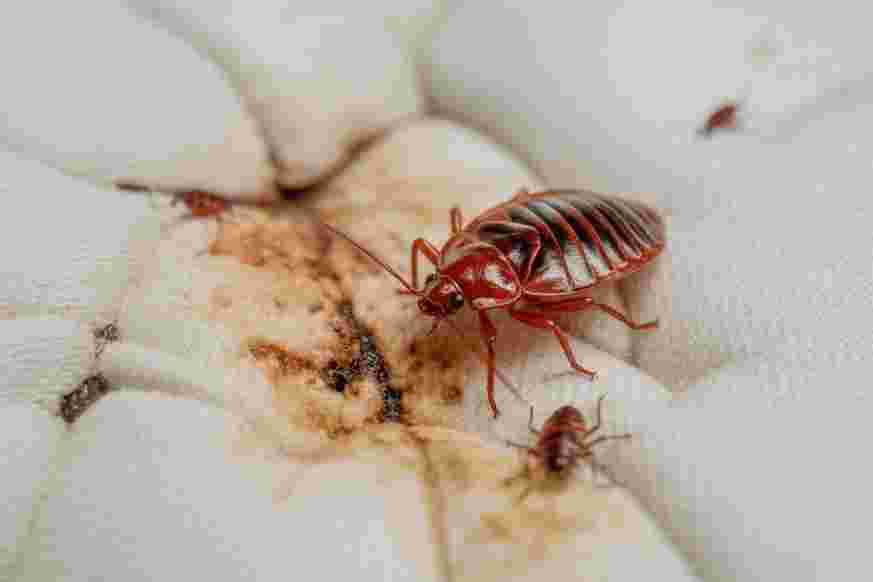
Look for small reddish-brown bugs about the size of an apple seed. Common signs include rusty or reddish stains on bed sheets or mattresses from crushed bugs, dark spots of bug excrement, shed skins, and a sweet, musty odor. Bites often appear in clusters or lines on exposed skin. Bed bugs hide in mattress seams, cracks in bed frames, headboards, and furniture crevices.
Signs of Fleas
Fleas are tiny, dark-colored, wingless insects that jump rapidly. Signs include itching or flea bites on pets and humans, spotting flea dirt (tiny black specks) on pet fur or bedding. Pets may scratch, bite, or lick their fur excessively. Fleas hide in carpets, pet bedding, upholstery, and cracks in floors.

Signs of Ticks in Your Yard
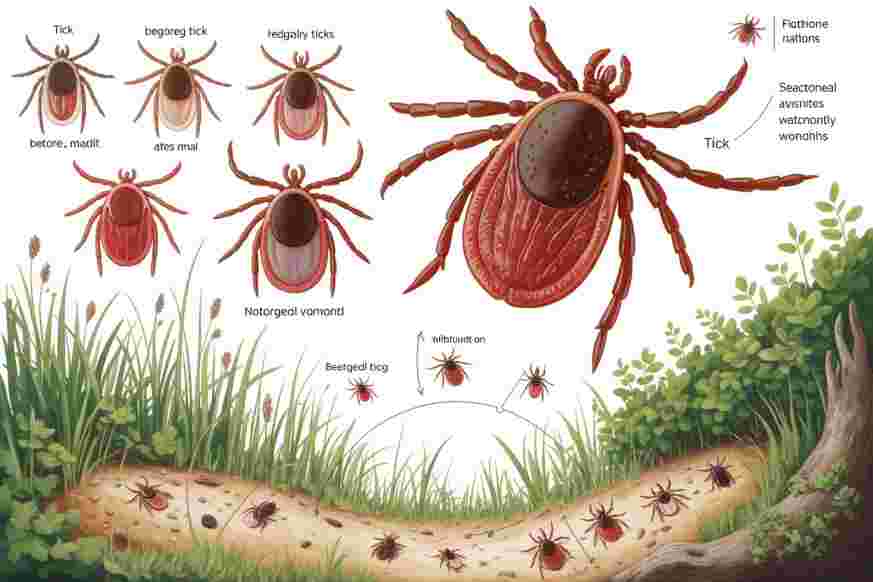
Ticks are small, oval, and flat insects that may swell significantly after feeding. Signs include ticks on pets, people, or garden tools. Yard areas with tall grass, leaf litter, and bushy or wooded edges can harbor ticks. Frequent inspection after outdoor activities is crucial, especially in warm months.
Spider hiding places
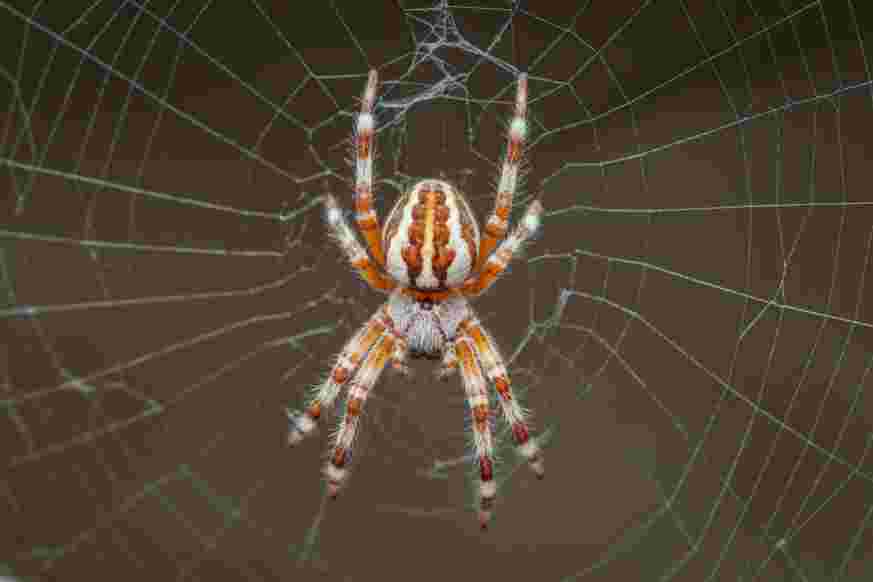
Spiders prefer dark, quiet locations such as basements, attics, garages, closets, under furniture, behind curtains, and inside boxes. Look for webs or egg sacs in corners, window frames, and rarely disturbed areas.

Ant pathways
Ants commonly create visible trails from their nests to food sources. These trails may be found along walls, baseboards, window sills, and in kitchens. Look for small holes or cracks in walls and foundations where ants can enter or nest.
When to call pest control
Contact pest control if you notice:
- Persistent, worsening infestations despite DIY efforts
- Bed bugs or fleas are spreading rapidly in your home
- Signs of ticks in your yard that pose a health risk
- Venomous spiders or significant spider populations indoors
- Large ant infestations affecting your living environment or food
- Allergy reactions or bites causing severe health issues
Professional pest control ensures safe and effective elimination and prevention tailored to the specific pest problem.
Who Is Most at Risk?
Certain groups are more vulnerable to severe reactions and complications from bug bites due to their physiology or health status:
- Children: Their smaller body size makes the intensity of venom or allergic reactions more pronounced. They may also be less able to communicate symptoms early.
- Elderly: Aging immune systems and pre-existing health conditions increase susceptibility to infections and complications from bites.
- Travelers: Exposure to unfamiliar insects in tropical or subtropical regions puts travelers at risk for vector-borne diseases like malaria, dengue, Zika, Lyme disease, and Chagas disease. Lack of prior immunity and awareness increases risk.
- People with Allergies: Individuals allergic to insect venom or saliva often experience more severe local reactions or systemic allergic responses (anaphylaxis).
- Immune-Compromised Individuals: Those with weakened immune systems due to illness or medication face higher risks of infection, severe reactions, and delayed healing.
Preventive measures and prompt medical attention are critical for these vulnerable populations to reduce morbidity and mortality associated with bug bites and vector-borne diseases.
Diagnosing a Bug Bite (Professional Guidance)
When Doctors Can Identify
Doctors can usually identify bug bites when there is a clear history of exposure, visible bite marks with distinctive patterns (e.g., clusters, lines, bullseye), or typical symptoms such as localized swelling, redness, and itching. Accompanying systemic symptoms, such as fever or allergic reaction signs, can also aid identification.


When They Can’t Identify
In many cases, bites are difficult to diagnose due to overlapping symptoms with other skin conditions like eczema, allergic reactions, or infections. Sometimes patients cannot recall or observe the bite event, and lesions may be secondary to scratching or infection, obscuring clear diagnosis.
How Dermatologists Evaluate Bites
Dermatologists use tools like dermoscopy a non-invasive technique using a specialized magnifier and light to examine skin patterns and structures. They analyze the arrangement of lesions and differentiate insect bites from other dermatoses by looking for characteristic markings, central puncture points, or vascular changes.
Symptom history, physical examination, and sometimes skin biopsies or lab tests help confirm diagnosis and rule out mimics.Accurate diagnosis guides appropriate treatment and management, especially when bites cause severe reactions or require further investigation for insect-borne diseases.

Frequently Asked Questions
Regional Bug Bite Guide
US Regions
- Northeast: Common bugs include ticks (Lyme disease carriers), black flies, mosquitoes, and bed bugs. Ticks thrive in wooded, grassy areas.
- Southeast: High mosquito populations, fire ants, chiggers, and kissing bugs. Warm climate fuels active insect seasons.
- Midwest: Ticks, mosquitoes, horseflies, and wasps are prevalent in forests and agricultural areas.
- West: Scorpions, spiders, ticks, and some venomous insects like wasps and hornets can be common, especially in desert and mountainous areas.
UK Regions
Generally fewer dangerous insects compared to other regions. Common bites include midges (in Scotland), mosquitoes, fleas, and ticks, especially in outdoor grassy and wooded areas. Ticks are notable due to the risk of Lyme disease.
Tropical Regions
High risk of mosquito bites transmitting diseases like malaria, dengue, Zika, chikungunya, and yellow fever. Other biting insects include sandflies (leishmaniasis) and several types of ticks and spiders. Bites often cause severe allergic reactions due to tropical insect diversity.
Asia / Australia Dangerous Insects
- Asia: Mosquito-borne diseases (dengue, malaria), sandflies, ticks, and venomous spiders like the redback.
- Australia: Funnel-web spiders, redback spiders, mosquito-borne diseases (Ross River virus, dengue), and caterpillar stings (puss caterpillar). Many venomous scorpions and ants exist, requiring caution during outdoor activities.
Awareness of these regional insect profiles aids in prevention and timely management of bug bites and associated diseases when traveling or living in these areas.