What Does a Spider Bite Look Like?
Identifying spider bites can be confusing because different spider species may cause different reactions. Most spiders are not dangerous to humans because their fangs often cannot break the skin, and their venom may not seriously affect people.
However, some poisonous spiders found in North America can cause infection, skin damage, and noticeable symptoms. A spider bite may appear as redness, swelling, itching, and pain, while spider bite pictures can help you compare visible signs before seeking medical care.
What Does A Spider Bite Look Like?
Identifying spider bites can be hard because not all spider bites look the same and they can appear differently from person to person.
A spider bite’s appearance may depend on the type of spider that caused the bite, the time that has passed, how much venom the spider injected, and how the body reacts.
Common spider bites may look like different patterns, and spider bite pictures can help compare different spider bite pictures for better understanding.
Spider Bite Rash
A spider bite rash can vary in color and may appear pink, red, violet, or brown depending on how your skin reacts. From experience, these bites do not always have the same pattern and can show different appearances, such as a bull’s-eye rash, a firm and smooth bump, a flat and spreading rash, or a dark crust with skin discoloration around the affected area.
Fang Or Bite Marks
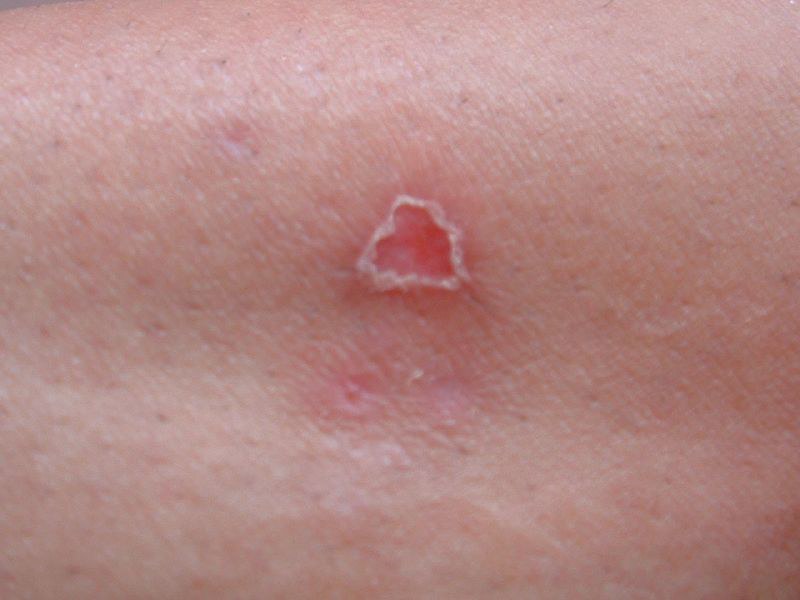
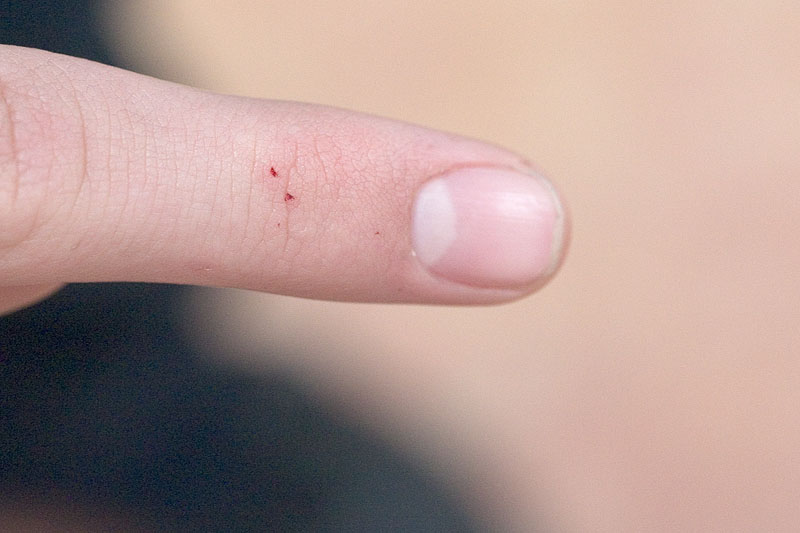
Sometimes a spider bite may leave visible fang marks on the skin. These marks usually appear as tiny side-by-side holes, which are small punctures left behind when the spider bites.
Swelling Blisters and Lesions
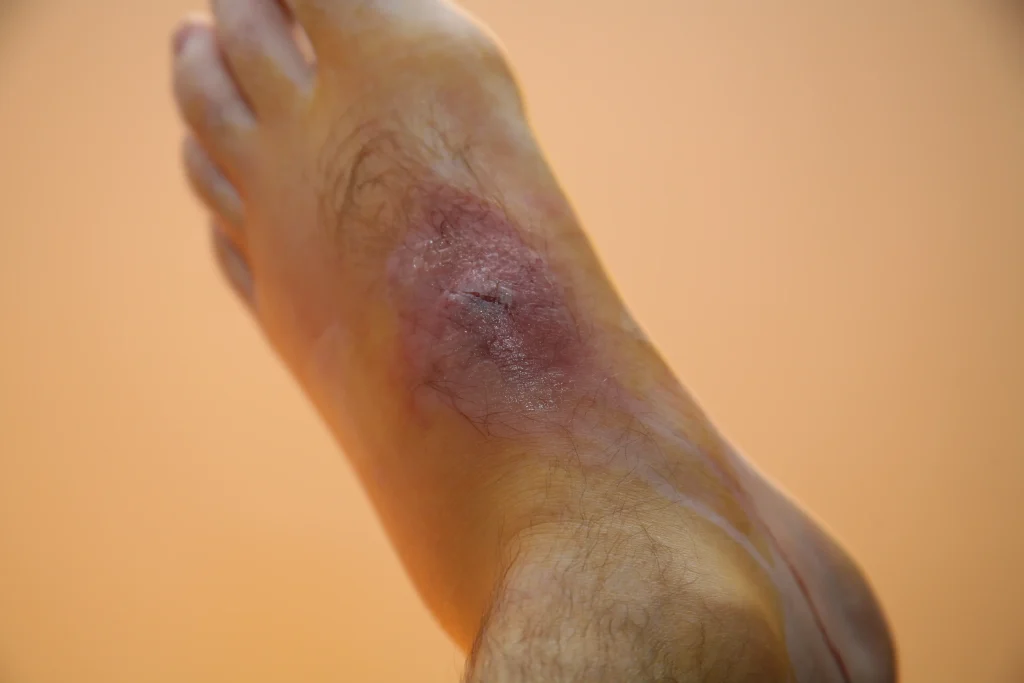
Some spider bites can lead to fluid-filled blisters and skin sores that may develop into open wounds. These affected areas can be surrounded by red, brown, or black skin discoloration, depending on the severity of the bite and how the skin responds.
Spider Bite Pictures
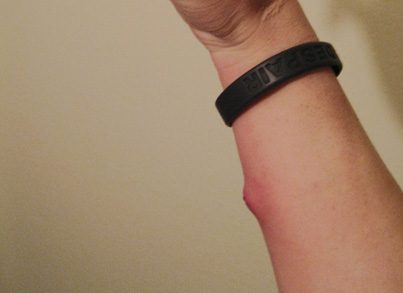
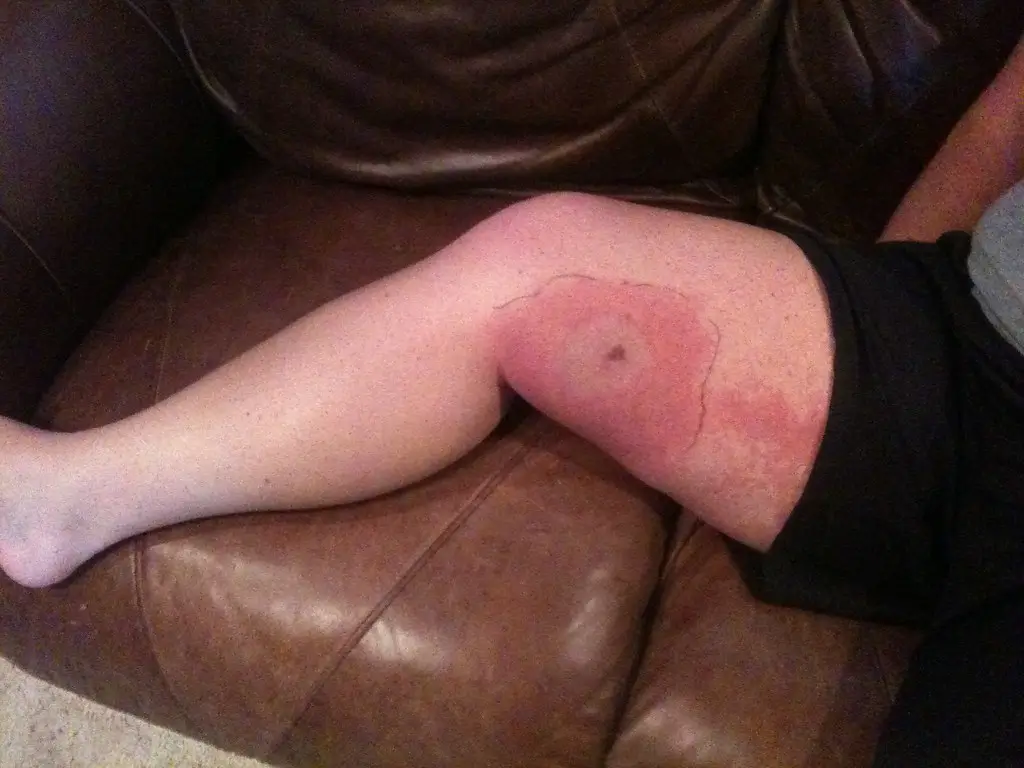
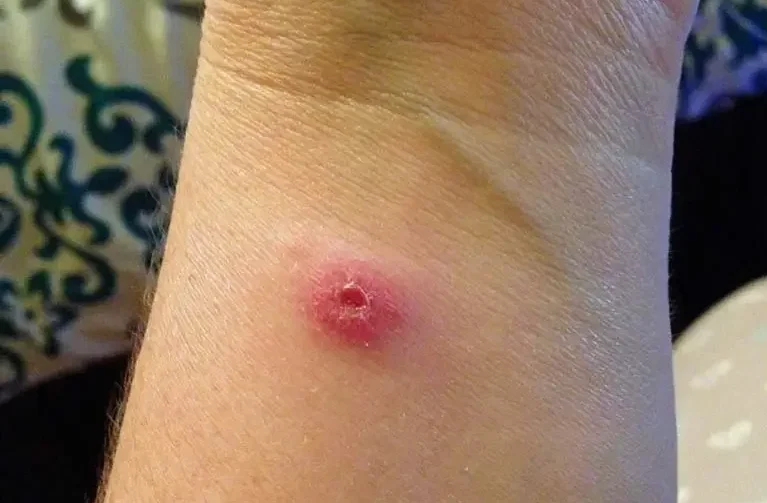
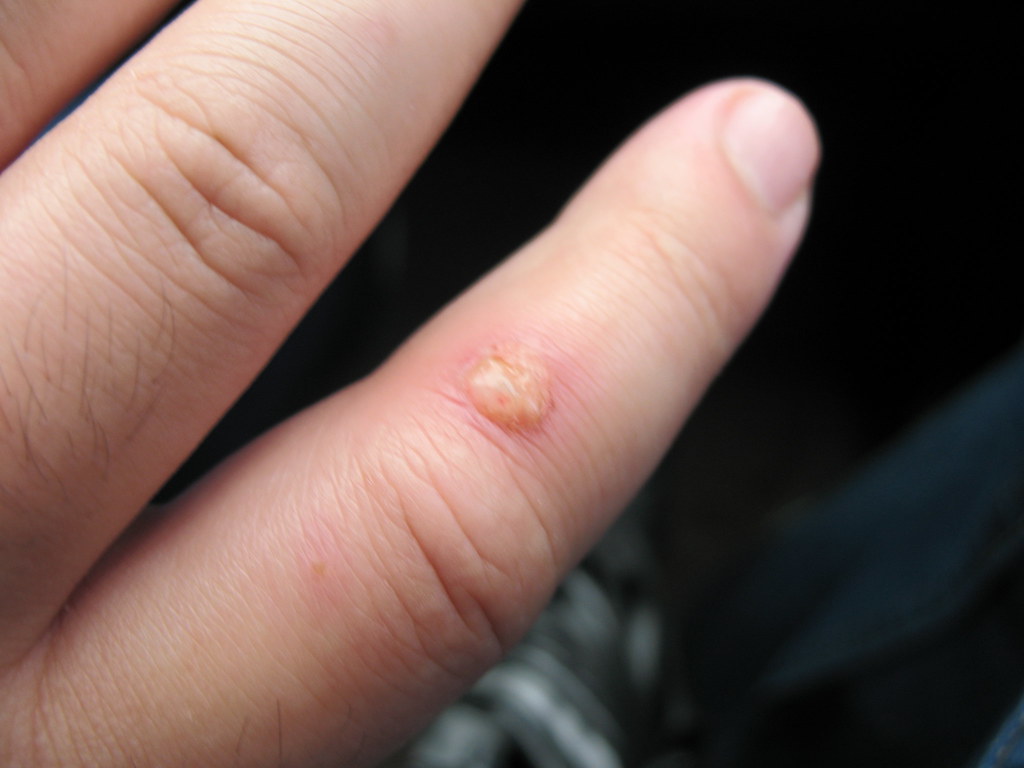
Spider bite pictures can help people identify signs of different types of spider bites by showing how these reactions may appear on the skin. Comparing images with visible symptoms can make it easier to understand possible bite patterns and changes.
Symptoms Of A Dangerous Spider Bite
Most spider bites are mild and improve on their own, but some may cause serious symptoms that need medical attention. Seek immediate medical care if a spider bite causes unusual reactions such as:
- Nausea, vomiting, or diarrhea
- Weakness, fever, feeling lightheaded, drowsy, or faint
- Headache or muscle spasms
- Rapid swelling, a large sore, or black tissue at the site of the bite
Black Widow And Brown Recluse Bites
Among the most dangerous spider bites, brown recluse and black widow spiders are two common types that require attention. Knowing the signs to look for can help identify these spider bites and understand when a reaction may need medical care.
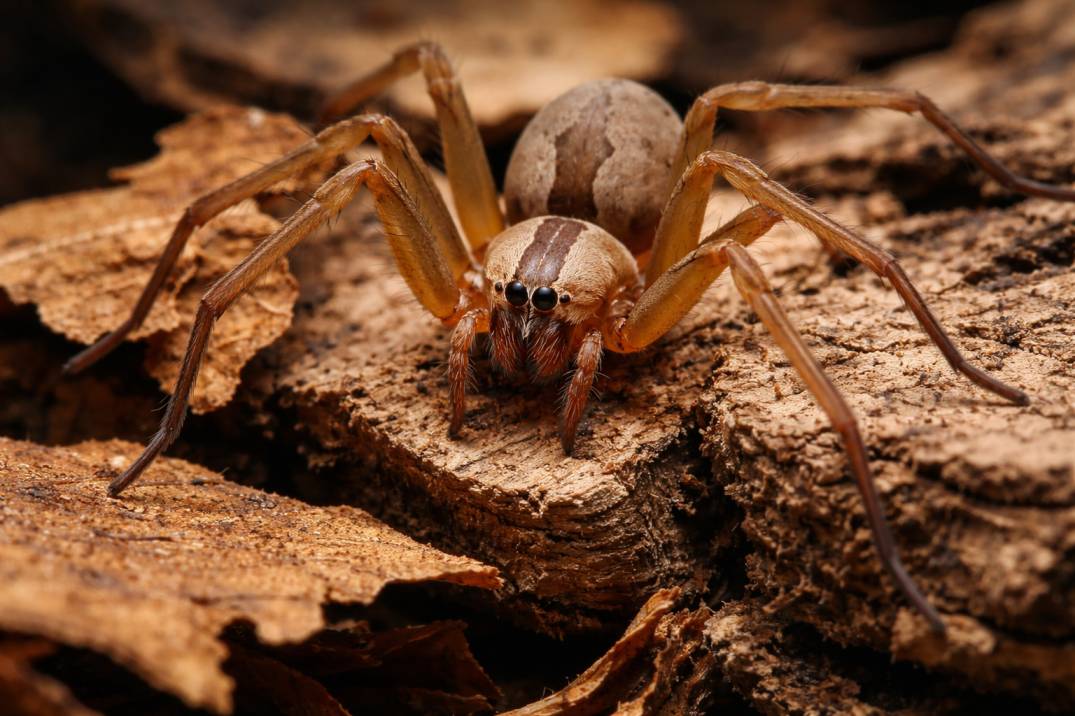
Brown Recluse Spider Bites
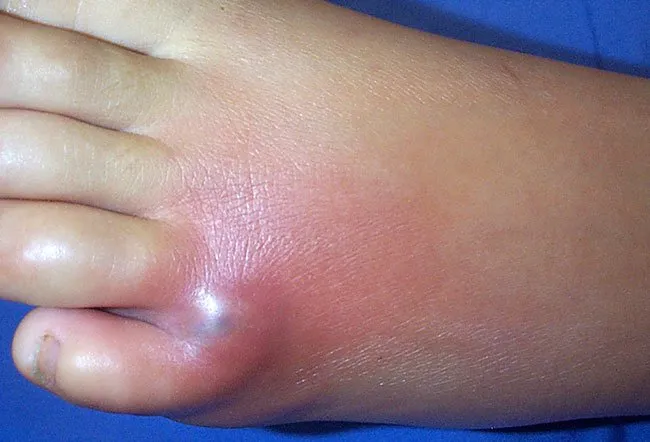
A brown recluse spider bite may feel painless at first, but the area can become inflamed and painful over time. The bite can lead to localized tissue death, causing blistering, an open sore, and black skin changes. In some cases, serious symptoms may develop within 3 to 7 days, such as:
- Fever and chills
- Nausea and vomiting
- Joint pain
- Seizures
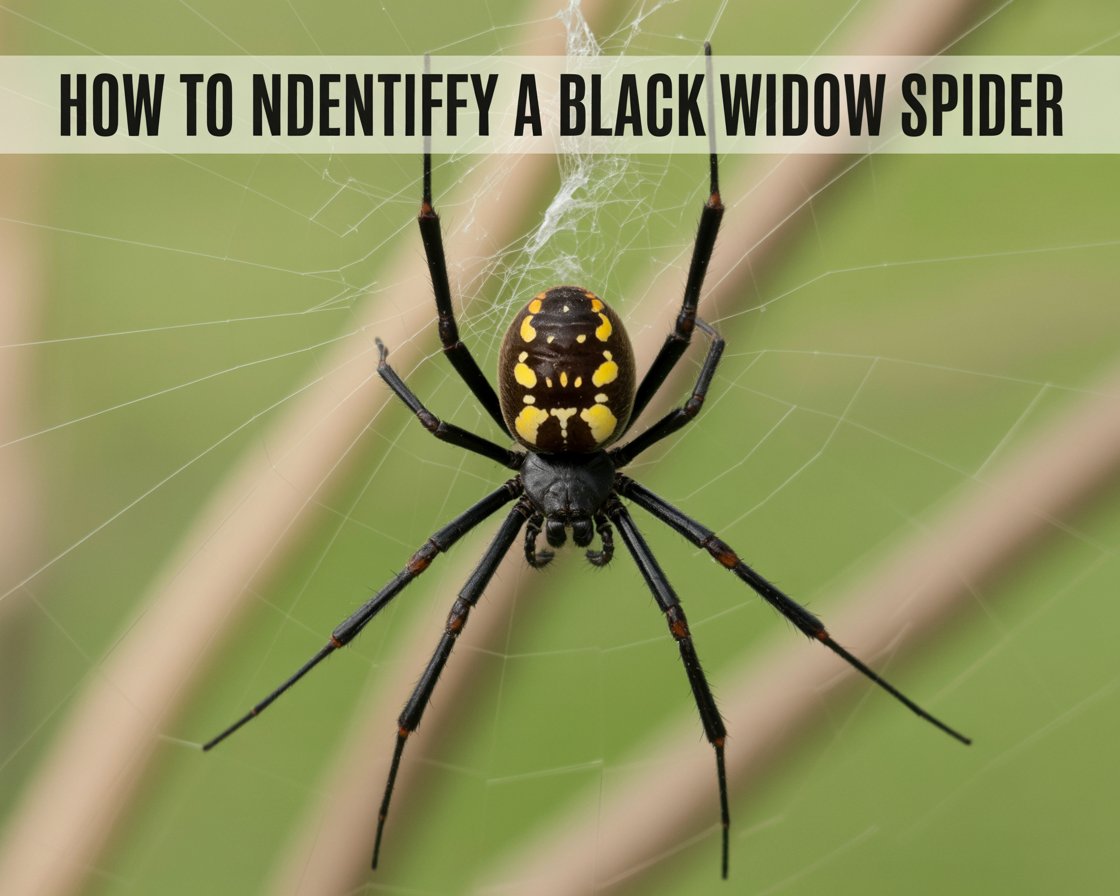
Black Widow Spider Bites
A black widow spider bite usually hurts right away, even if there is little skin inflammation or discoloration at the bite area. Within a short time, different symptoms may appear, including:
- Pain throughout the body
- Muscle cramps
- Nausea and vomiting
- Trouble breathing
- Fever
Which Spiders Are Most Likely To Bite?
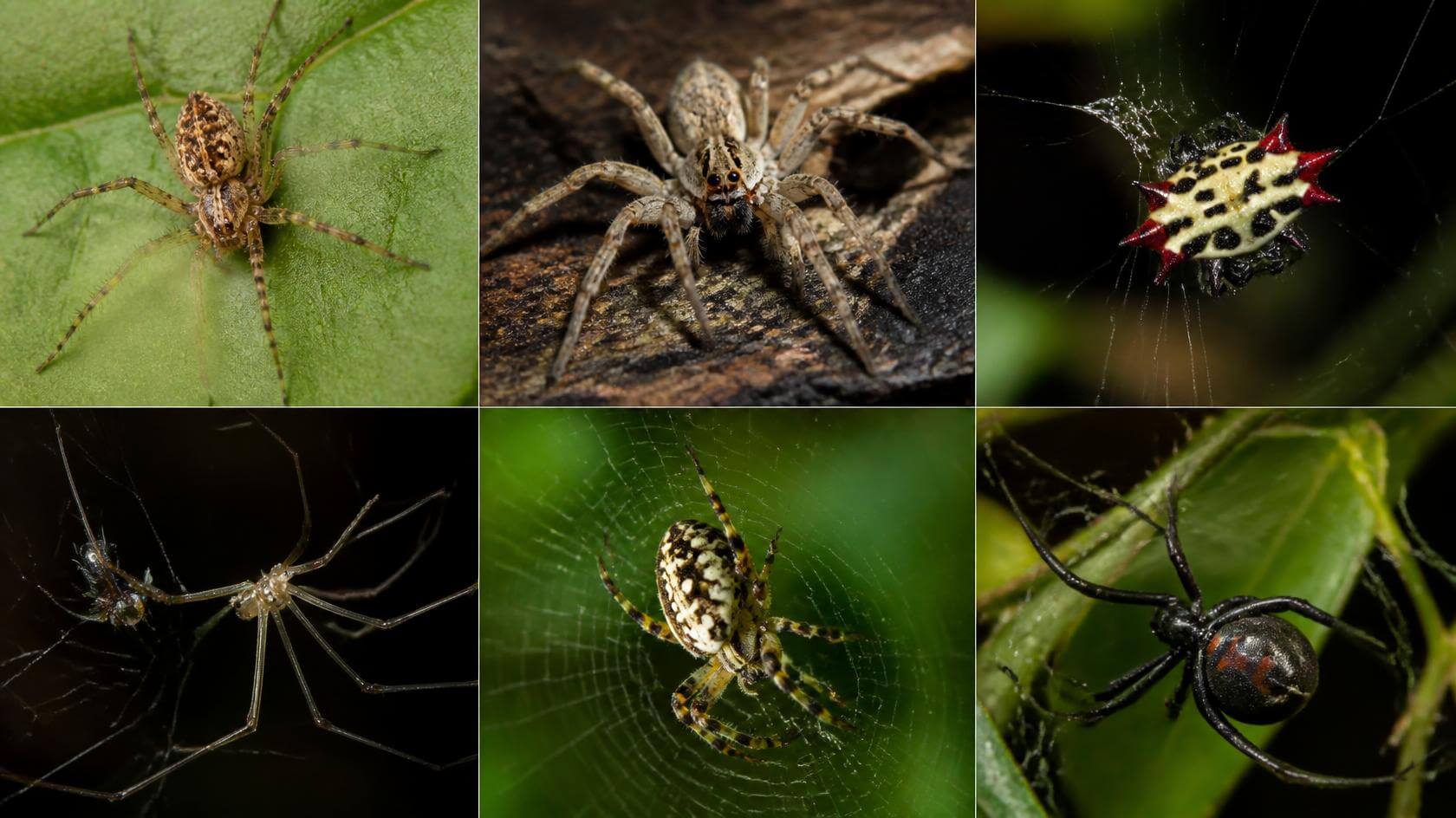
According to experts, spiders in the U.S. are not usually aggressive, but a spider can bite when disturbed. The most dangerous spider bites often come from brown recluse and black widow spiders, while less severe spider bites may come from:
- Wolf spider, garden spider, trapdoor spider, mouse spider, huntsman spider
- Running crab spider, green lynx spider, false black widow spider, jumping spider
- Tarantula, orb-weaver spider, crab spider, parson spider
People allergic to venom may experience a mild spider bite becoming more serious, with severe allergic reactions like anaphylaxis.
How To Treat A Spider Bite
Most spider bites can be managed with basic care, but treatment depends on the type of spider and how your body reacts to the venom. Since spiders in the U.S. are usually not aggressive, bites often happen when a spider can bite after being disturbed.
For dangerous spider bites from brown recluse or black widow spiders, medical attention may be needed, while less severe spider bites from spiders like these may only require monitoring:
- Wolf spider, garden spider, trapdoor spider, mouse spider, and huntsman spider
- Running crab spider, green lynx spider, false black widow spider, and jumping spider
- Tarantula, orb-weaver spider, crab spider, and parson spider
If you are allergic to venom, even a mild spider bite can become serious and may cause severe allergic reactions like anaphylaxis.
How Do I Know If A Spider Bite Is Getting Infected?
Keeping the spider bite clean is important, but sometimes it can still become infected. The signs of spider bite infection may include changes that go beyond the normal symptoms of a bite, such as:
- Redness or swelling that keeps extending out from the bite
- Warmth in the area, increasing pain, or yellowish drainage (pus)
- Fever or other signs that the infection is spreading
Some symptoms may overlap with the bite itself, but most bites should start improving within a day or two. If the area getting worse instead of better, it could be a sign of infection or a reaction from a venomous spider.
How Long Do Spider Bites Last?
If you are bitten by a generally harmless spider, the reaction is usually fairly immediate and appears within the first 24 hours. Most bites go away after a couple of days, but the healing process can take longer if the bite area becomes infected.
Bites from a brown recluse or black widow bite may require weeks to properly heal, depending on the severity of reaction or if an infection ensues.
When To Seek Medical Treatment For A Spider Bite
Spider bites should always be taken seriously, as many can be managed by treating most spider bites at home, but some require medical treatment. You should seek medical treatment if you suspect a poisonous spider or notice symptoms such as:
- Headache, abdominal cramping, nausea, or vomiting
- Pain that gets worse or spreads to other parts of body
- An open sore, draining pus, or yellow discharge
- Fever, chills, joint pain, or body aches
- Pain, redness, or swelling that continues to worsen after 24 hours
A spider bite can become a medical emergency if you have signs of a severe allergic reaction and need immediate care, including:
- Rapid heart rate
- Trouble breathing or swallowing
- Chest tightness
- Swelling of the mouth or face
The bottom line
Although spiders bite many people every year, most spider bites are usually mild and can be treated at home. The good news is that poisonous or dangerous spider bites are uncommon, but they can sometimes lead to serious symptoms and skin damage.
It is important to take seriously any suspected spider bite and monitor for signs of infection, worsening symptoms, or increasing pain. Seek medical care if you notice severe symptoms, signs of infection, or think a poisonous spider caused the bite.