How Big Can A Wolf Spider Get
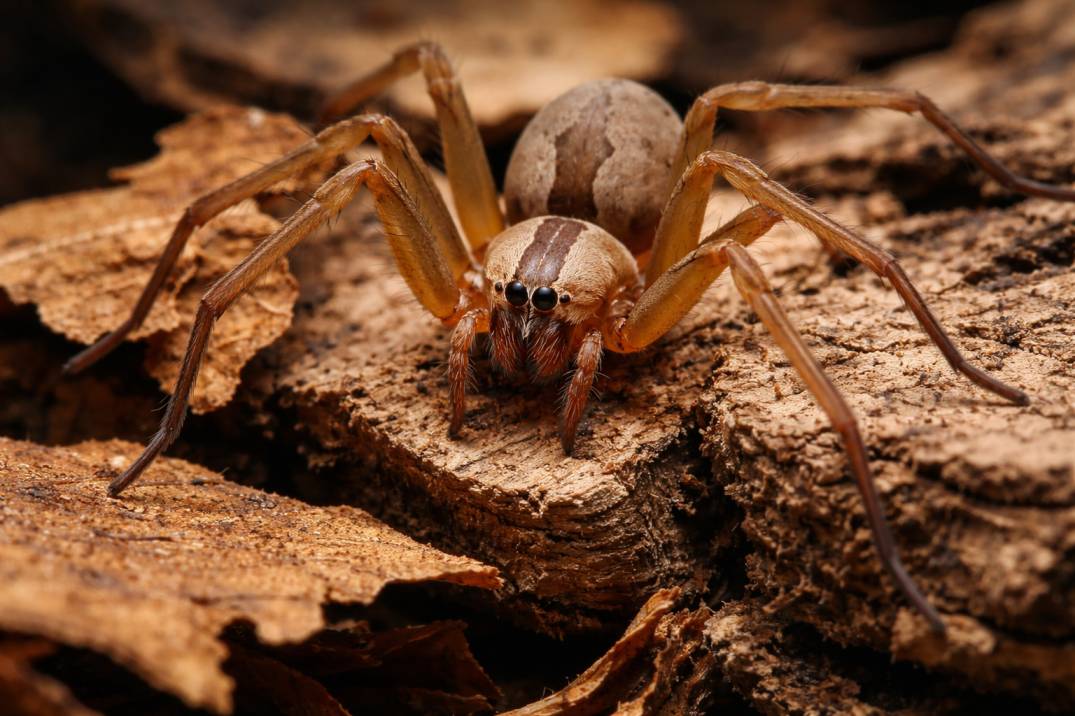
Wolf spiders are known for their big, hairy appearance and impressive speed, able to sprint quickly in pursuit of prey. While they can grow to 1.5 inches in length, their large size is often complemented by a wolf-like hunting style, where they hunt down insects rather than spinning webs.
Found in various regions such as California, Montana, and South Carolina, these spiders are extremely common and easily recognizable by their brown, tan, gray, or black bodies adorned with line patterns or scroll-like patterns. Their two eyes, which are notably larger, help them spot prey from a distance, making them agile hunters in the wild.
- Big and hairy bodies
- Fast sprint capabilities
- Wolf-like hunting style
- Common in regions like Florida, Ohio, California, and South Carolina
- Typically 1.5 inches in length, ranging from quarter inch to 1.5 inches
How Big Can Wolf Spiders Actually Get?
Growing up in Connecticut, I never imagined wolf spiders could get as large as I’ve heard others claim. I’ve seen countless pictures and videos of these spiders and thought they would only reach 1.5 inches or so, but after hearing stories from friends in Michigan, I realized that the size of a wolf spider could actually be misleading due to the media portrayal. While wolf spiders generally don’t exceed 2 inches, there are exceptions, with some reaching 4 inches in leg span, like the one my friend encountered in Michigan.

Spiders like Tigrosa aspersa and Hogna carolinensis can be bigger, with body lengths up to 35mm and legspans stretching to 90mm, not unlike a hand-sized tarantula. In Memphis, wolf spiders can be noticeably larger than the usual quarter-sized ones, and I’ve even seen one fit perfectly on the 40 oz Stanley cup, which was definitely an encounter of a different kind! These spiders may evade quickly or even make a judgment call, and while I’m not scared, it’s still uncomfortable to find them in my home, especially when they decide to come inside during the winter months for some warmth.
Identifying Wolf Spiders from Other Spiders
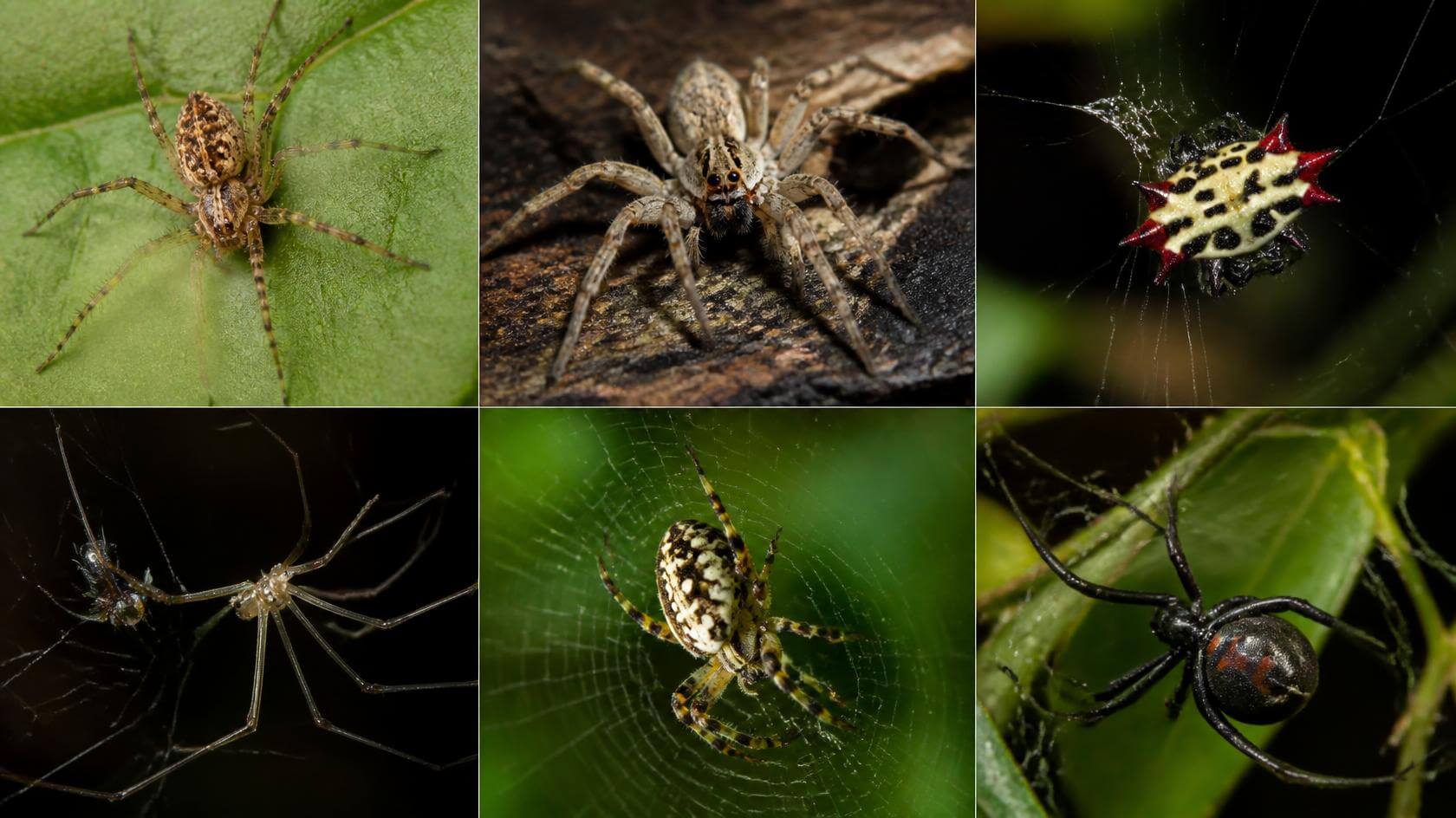
When it comes to identifying wolf spiders, many homeowners often mistake them for their jumping spider brethren due to their similar appearance. However, the key to distinguishing a wolf spider from a jumping spider lies in its size. While jumping spiders are typically much smaller, ranging around one-eighth of an inch, wolf spiders can grow larger, with some species reaching up to three-quarters of an inch or even bigger.

Their brown color and lack of a distinct violin-shaped body also differentiate them from the dangerous brown recluse, which is notorious for its potentially harmful bite. If you’re unsure about a spider’s identity, don’t take chances seek out a spider control expert to help you identify spiders correctly. It’s always best to avoid a run-in with any spider, especially when you are unfamiliar with its behavior or size.
Are Wolf Spiders Poisonous?
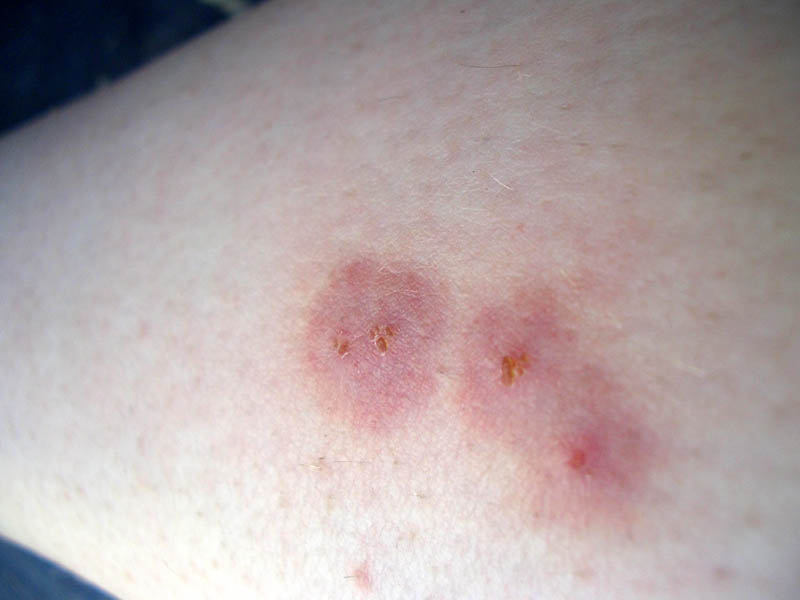
Although wolf spiders are venomous, they are not considered poisonous to humans. Their bite, which usually occurs when they feel disturbed, can deliver a small amount of venom. Typically, the reaction to a wolf spider bite is mild, resulting in redness or a slight stinging sensation.
However, it’s essential to note that the bite is not dangerous and can be treated easily with an ice pack or topical ointment. If you experience any unusual symptoms beyond the typical bite reaction, it’s wise to contact a doctor or call a poison center. Unlike insects that might pose more of a threat, a wolf spider bite generally requires little more than basic care, unless symptoms worsen.
What Do Wolf Spiders Look Like?
Wolf spiders are big compared to many other spiders, reaching up to 2 inches in length, though males are typically smaller, often around ¼ inch. These spiders are easily recognized by their hairy bodies, usually a dark brown color with paler stripes and markings that give them a distinctive pattern. They also have long legs and can run fast, making them excellent hunters. Instead of spinning webs, they ambush and hunt their prey on the ground. With eight eyes, wolf spiders have keen eyesight.

Their forward-directing eyes help them focus on objects in front, while their side-directing eyes and smaller eyes provide peripheral vision. Female wolf spiders are known for their protective nature, especially when carrying an egg sac containing up to 100 eggs. Once the eggs hatch, the young cling to their mothers’ backs for about a week, gaining protection and guidance during their early stages.
How to Deal with Wolf Spiders
If you’re dealing with wolf spiders around your home, the first step is to discourage them by maintaining a clean landscape. Wolf spiders often hide outdoors in tall shrubs, dense grasses, rocks, boards, and mulch. Regularly mowing your lawn and clearing woodpiles, debris, and brush will help reduce the places where these big, fast-moving, hairy spiders might hide.
To keep them from entering your house, seal cracks, crevices, and small openings around doors, windows, and houseplants. Using insect killers like Ortho® Home Defense® or setting up a bug barrier will provide additional protection. For indoor spaces, keep areas like closets, basements, cellars, and garages free of clutter and use a broom or vacuum to remove any spiders that have already entered. Make sure to patch up any rips, tears, or wall cracks with caulk, screening, or weather stripping to block entry points.
Additionally, setting up a Comfort Wand® with a 4-inch band or a 12-inch band around your indoor perimeter and outdoor perimeter will create an effective barrier. By taking these steps, you can get rid of these creepy crawlers while ensuring that your home remains odor-free and stain-free.
Are Wolf Spiders Dangerous?
Wolf spiders are not dangerous to humans despite their strong venom. While their bite can cause mild symptoms like swelling, itching, and pain that may last for minutes or even a few days, they are generally shy creatures and prefer to freeze or run away when confronted. They only bite if they feel threatened or cornered with nowhere to run.
The wound from a bite is usually small, and while it can cause discomfort, it rarely leads to serious harm. However, in rare cases, if someone is allergic or has a severe reaction, it’s important to seek medical attention.
If you notice unusual symptoms like headaches, dizziness, nausea, or fever, it’s wise to check with a doctor as these can be signs of a severe reaction. For most people, pain and swelling will fade away over time, but if you’re unsure about the severity of the bite, it’s always best to consult with a verified source or a healthcare professional.
What Is the Biggest Spider on Earth?
The Goliath birdeater (Theraphosa blondi) holds the title of the largest spider on Earth, belonging to the Theraphosidae family. Found in northern South America, this tarantula can reach a body length of up to 5.1 inches and a leg span of an impressive 12 inches, weighing a staggering 6.2 ounces. In comparison, Carolina wolf spiders, which can grow to 1.5 inches, are much smaller and have a significantly lighter weight, typically less than one ounce.

Despite their size, Goliath birdeaters are fierce predators, capable of devouring worms, amphibians, and even birds. They can hunt, kill, and eat larger prey like rodents, frogs, and snakes, showcasing a remarkable ability to feed on a variety of arthropods and smaller creatures.
Behavior and Habitat of Wolf Spiders
With their large, hairy bodies and imposing figure, wolf spiders are a recognizable member of the spider community. Typically ranging from 1-2 inches in body length, they can be found in diverse habitats worldwide, from forests and grasslands to the cozy corners of homes.
Their brown bodies and black bodies lend them a wolf-like appearance, making them easily identifiable by those familiar with their behavior. Known for their adaptability, wolf spiders are fast and can reach speeds of up to 10mph, making them agile hunters, often seen jumping or running as they prey on insects like ants, flies, and other small bugs.
These spiders are nocturnal, seeking out the cover of darkness to hunt in warm and humid climates, often living in gardens or even yards. While they prefer to avoid human contact, their large size and speed can make their presence unsettling. Though they can bite if provoked, they are generally harmless to humans, providing natural pest control without posing a significant threat, even in your home.
Signs of Infestation of Wolf Spiders
A common sign of a wolf spider infestation in your home is seeing these large, hairy spiders scurrying across the floor, especially in dark places or quiet places like basements or closets. Unlike other spiders, wolf spiders don’t typically spin webs, but they may leave a mess or signs of their presence as they roam the area at night, searching for food.
These spiders are often drawn to areas with an abundance of bugs or smaller pests, as they hunt and prey on them. If you notice unusual activity or increased sightings around your property, it could be a sign that their hunting grounds are nearby, with the food supply likely attracting them into your space.
Tips for Prevention of Wolf Spiders
To prevent wolf spiders from entering your home, start by maintaining a clutter-free environment, as clutter provides ideal hiding spots for these predatory spiders. One of the most effective general steps is sealing gaps and cracks around entry points like doors and windows.

Additionally, keep your outside areas clear by cutting down overgrown shrubs and ensuring that plants are well-trimmed. These measures help deter not only wolf spiders but also small pests that may serve as food sources for them. By limiting the availability of small pests, you can reduce the likelihood of attracting these spiders to your house, helping to keep your space free from their presence.
Getting Rid of Wolf Spiders
While wolf spiders pose little threat to humans, they can still be a nuisance in your home. To effectively get rid of them, start by addressing pest infestations such as roaches, rodents, and flies, which can attract these big arachnids. Keeping your home clean, including dusting and clearing hidden corners where spiders may hide, is crucial.

If you encounter a wolf spider, it’s best not to squish it, as this can release eggs from the egg sac, leading to a burst of baby spiders. Instead, consider catching the spider gently and releasing it outside, reducing the risk of future encounters. If the problem persists or feels overwhelming, seeking expert help from pest control services like Hulett may be a more effective solution.
Biology
Wolf spiders, often referred to as lone wolves in the spider world, live solitary lives, unlike many of their web-spinning cousins. As nocturnal creatures, they prowl the night, hunting for insects like crickets, grasshoppers, and even cockroaches. They are also known to hunt and bite other spiders when necessary. While their bites are venomous, they are typically non-fatal to humans, causing painful swelling and discomfort rather than serious harm.
A striking feature of wolf spiders is the iconic image of a mother carrying her young, often clinging to her back for weeks after hatching. This nurturing behavior is a unique aspect of their biology, showcasing the care they give to their hatchlings until they are ready to venture out on their own.
Human Interaction
While wolf spiders are not a health threat to humans, their presence in the home can be disconcerting, especially due to their eerie appearance. They typically do not pose a danger, but their bites, while not harmful, can cause discomfort. Despite their somewhat intimidating look, wolf spiders play a beneficial role in controlling pest populations by hunting down insects and nuisance insects that often lead to infestation.
However, their presence as a pest can still be unsettling for many. They are naturally inclined to seek shelter in dark places, making an encounter with them all the more surprising when they are silently hunting their prey.