Small Black Bugs In House: Tiny Bugs Like Poppy Seeds
Dealing with small black bugs in your home often involves identifying the species, like carpet beetles, weevils, or springtails. These household pests are attracted to food sources and damp areas.
Some crawl slowly, such as carpet beetles, while others, like springtails, jump when disturbed. Proper pest identification and understanding their habits are key to finding the right solution to eliminate them.
Key Takeaways:
- Identification of the right species is critical for proper treatment.
- Use natural remedies or chemical treatments based on the severity of the infestation.
- Always seal entry points and manage moisture to prevent recurring infestations.
- If DIY methods fail, call a licensed pest control expert for specialized treatments.
Common Types of Small Black Bugs Found in Homes
In homes, small black insects like carpet beetles (2-3mm), weevils (3-10mm), and springtails (1-2mm) are common. Carpet beetles damage natural fibers in furniture, while weevils infest stored grains.
Springtails thrive in damp environments and jump when disturbed. Book lice (1mm) damage paper products, and flour beetles (3-4mm) target pantry items. Identifying these species is key to effective treatment.
Ants
Ants are common tiny black bugs in homes, especially near food sources and water sources in places like the kitchen and bathroom.
Species like carpenter ants, sugar ants, and odorous house ants form colonies and can cause property damage, with carpenter ants hollowing out wood for their nests.
Bed Bugs
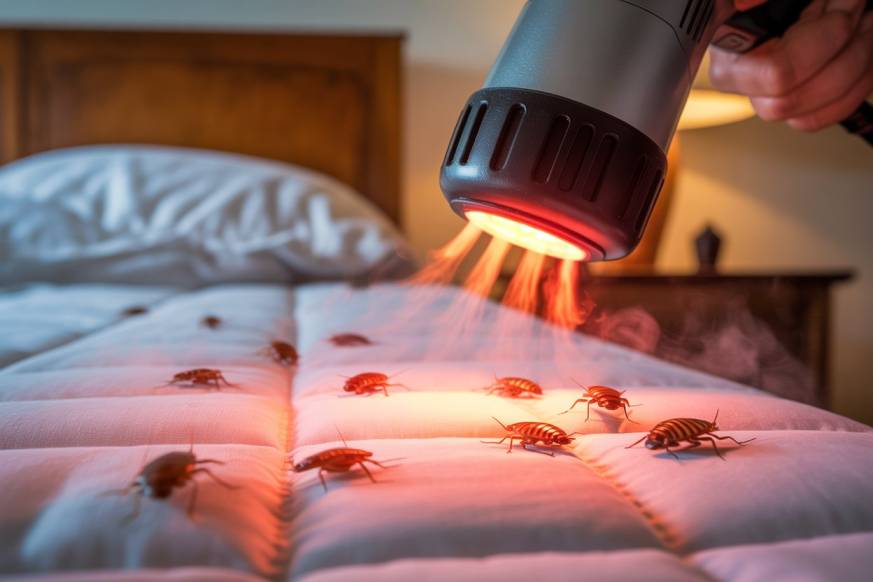
Bed bugs are small, reddish-brown insects, about the size of a grain of rice, known to spread quickly throughout a home. They typically hide in cracks and crevices and can often be found in sheets and mattresses.
These pests feed on blood, leaving behind itchy bites that usually appear in clusters or lines on the skin. If you suspect an infestation, it’s crucial to act quickly to prevent the problem from worsening.
Fleas
Fleas are tiny black bugs found in homes with pets, known for their jumping abilities. These wingless insects are hard to catch and cause bites that lead to scratching and discomfort.
They thrive in warmer months and humid environments, often infesting pet’s bedding, carpets, and upholstery. Treating and eliminating them quickly is essential to stop the spread.
Fruit Flies
Fruit flies are tiny black bugs about 1/8 inch long, often attracted to rotting fruit, vegetables, and organic matter in the kitchen. With their distinctive red eyes, they breed quickly and multiply rapidly, especially around food scraps and spills.
If you’re noticing them near overripe fruits or vegetables, cleaning up and eliminating these attractants is essential to prevent further infestation. Regularly cleaning your kitchen and properly storing food will help eliminate them effectively.
Carpet Beetles
Carpet beetles are a small black bug that can easily invade your home, especially if you have natural fibers like wool, silk, or cotton in your carpets, clothing, or upholstery. These pests cause significant damage, leaving behind small holes in fabrics. The adult beetles lay eggs that hatch into larvae resembling hairy caterpillars, which hide in dark areas and undisturbed places such as furniture, closets, and baseboards. An untreated infestation can cause further damage, so it’s important to take action as soon as you spot them.
Spider Mites
Spider mites are small, almost invisible pests, often appearing as tiny black specks on plants, particularly houseplants. These insects damage plants by piercing plant cells and sucking out their contents, which can lead to yellowing, stippling, and the development of webbing.
They are difficult to see with the naked eye, and are commonly found on the undersides of leaves. If left untreated, a spider mite infestation can cause severe damage to your indoor plants, so it’s important to treat them as soon as they’re noticed.
How to Identify Different Species of Tiny Black Insects
| Bug Type | Description | Key Identifying Features | Signs of Infestation |
|---|---|---|---|
| 🐜 Ants | Small, segmented insects with three distinct body parts — head, thorax, and abdomen — along with six legs and antennae. Colors range from black and brown to red and yellow depending on the species. | AI Identified Narrow waist (petiole), elbowed antennae, and wings in reproductive ants. Size, color, and geographic location aid species identification. |
Trails near food
Nests in walls
Sandy mounds
|
| 🛏️ Bed Bugs | Small, oval-shaped insects about the size of an apple seed. Reddish-brown and flat when unfed; bodies swell and darken after feeding on blood. Visible to the naked eye. | AI Identified Flat oval body, reddish-brown color, hides in mattress seams, bed frames, cracks, and furniture crevices. |
Rust stains on bedding
Shed skins
Musty odor
|
| 🦟 Fleas | Tiny wingless insects (1–3 mm) with dark reddish-brown, flattened bodies and powerful hind legs built for jumping. Commonly found on pets, in carpets, or bedding. | AI Identified Wingless, hard flattened body, exceptional jumping ability, fast movement through fur and fabric. |
Excessive pet scratching
Red bite marks
Flea dirt in fur
|
| 🍎 Fruit Flies | Tiny insects (3–4 mm), typically tan or light brown with bright red eyes and a rounded compact body. Attracted to overripe fruit, vegetables, drains, and fermented liquids. | AI Identified Bright red eyes, tan/brown body, slow hovering flight pattern near food sources. |
Swarms near fruit
Larvae in organic matter
Hovering near drains
|
| 🪲 Carpet Beetles | Small oval insects (1–4 mm) patterned with irregular scales of white, brown, and yellow, or solid black. Found near natural fibers like wool, silk, fur, and feathers. | AI Identified Mottled scale pattern, attracted to light, larvae feed on natural fibers and hide beneath fabric surfaces. |
Irregular holes in fabric
Shed larval skins
Fecal pellets
|
What Are These Tiny Black Bugs?
Tiny black bugs can invade your home and, while not always harmful, require appropriate action. Common culprits like carpet beetles or fruit flies signal the need for prompt dealing with to prevent further issues. It’s important to identify and address them early.
Identifying Ants
Ants are small, segmented insects with distinct body parts: head, thorax, and abdomen, along with six legs and antennae. They can range in color from black and brown to red and yellow depending on the species.
Key identifying features include a narrow waist (petiole) and elbowed antennae. Reproductive ants may also have wings. Observing their size, color, and nesting habits, along with their geographic location, helps with species identification.
Identifying Bed Bugs
Bed bugs are small, oval-shaped insects, about the size of an apple seed. They are typically reddish-brown and flat when unfed, but their bodies swell and become darker after feeding on blood. These bugs are visible to the naked eye and often hide in mattress seams, bed frames, cracks, or furniture.
Key signs of bed bug presence include rust-colored stains on bedding, shed skins, and a musty odor. If you spot these signs, it’s important to address the infestation quickly.
Identifying Fleas
Fleas are tiny, wingless insects (1–3 mm) with dark reddish-brown, flattened bodies and powerful hind legs for jumping. Commonly found on pets, in carpets, or bedding, they cause excessive scratching and leave small red bite marks. Flea dirt, tiny black specks of flea waste, is often found in fur or fabric, signaling an infestation.
Identifying Fruit Flies
Fruit flies are tiny insects (3–4 mm), typically tan or light brown with bright red eyes and a rounded body. They are attracted to overripe fruit, vegetables, and fermented liquids like wine or vinegar.
Known for rapid reproduction, they form small infestations that create swarms around food sources or decaying organic matter, flying with a slow flight pattern or hovering.
Identifying Carpet Beetles
Carpet beetles are small, oval-shaped insects (1–4 mm) with irregular scales in colors like white, brown, yellow, or solid black. They damage natural fiber materials such as wool, silk, and feathers, leaving irregular holes in fabric or carpets.
Larvae are often found feeding on these surfaces, while adult beetles are attracted to light and hide near windowsills. Signs of infestation include shed larval skins and fecal pellets.
Signs of Infestation and Where to Look
Small black insects often form colonies in specific areas like kitchen cabinets, windowsills, and bathroom corners. Look for insect droppings, dark specks, shed exoskeletons, or visible damage to wood and fabric. Inspect dark spaces, crevices, and the undersides of furniture with a flashlight to locate these pests.
Common Infestation Areas
Tiny black bugs often form colonies in specific areas like kitchen sinks, baseboards, wall voids, and entry points such as window frames and door thresholds. Bathrooms and laundry rooms with high moisture levels attract pests, as do kitchens with water and food sources like pantries and stored grains. Infestations can also occur in cracks in foundation walls and areas with condensation, such as air conditioning units and plumbing fixtures.
Signs of Bug Activity
Active infestation of tiny black bugs often leaves dark specks on dusty surfaces like windowsills and baseboards. You may notice clustering behavior near light sources in the evening hours or signs of damp conditions, such as tiny holes, bite marks on fabrics, and shed exoskeletons. These bugs might also be around water sources or areas with elevated humidity.
Health Risks and Property Damage Concerns
Tiny black bugs like carpet beetles and weevils can cause health risks and structural damage. Carpet beetles deteriorate natural fibers in furniture and clothing, while weevils contaminate stored food with droppings. These infestations can reduce property value and lead to allergic reactions, respiratory issues, and harmful bacteria spread by black carpet beetles.
Health Risks of Small Black Bugs
Small black bugs like fleas, bed bugs, and carpet beetles can pose significant health risks. These pests cause skin irritation, allergic reactions, and may even transmit diseases or infections.
The excessive scratching from fleas can lead to further complications, while bed bugs may cause asthma or respiratory issues due to shed skins and fecal matter becoming airborne. Prompt identification and control are essential to avoid these health hazards in your home.
Property Damage by Infesting Bugs
Infesting bugs like carpet beetles, termites, and cloth moths can damage furniture, fabrics, and wooden structures. They feed on natural fibers and contaminate pantry goods. Early detection and treatment are key to preventing costly repairs and long-term damage to your property.
Natural Ways to Eliminate Small Black Bugs
To eliminate small black bugs, try natural pest control methods like diatomaceous earth, which dehydrates insects, or neem oil, which disrupts feeding. Essential oils such as peppermint oil, tea tree oil, and citrus oils are great natural pest deterrents.
Use bay leaves, cucumber slices, or citrus peels near entry points to repel insects. Keep a clean, dry environment, reduce humidity, and seal food containers to avoid attracting pests.
Home Remedies for Small Black Bugs
For small black bugs, try vacuuming infested areas and using diatomaceous earth along baseboards and entry points. Essential oils like peppermint and lavender act as natural repellents, while white vinegar sprays and baking soda serve as effective deterrents.
Keep a clean environment, seal cracks, and store food in airtight containers to prevent infestations.
Essential Oils and Other Natural Treatments
Essential oils like peppermint, tea tree, eucalyptus, and lavender are natural bug repellents that disrupt insects’ sensory systems. Diluting these oils with water and spraying around entry points, furniture, and baseboards helps keep small black bugs away.
Neem oil, clove oil, and cedarwood are also safe alternatives for protecting your home from infestations.
Chemical Treatment Options and Safety Precautions
For severe bug infestations, chemical pesticides like EPA-registered insecticides offer targeted solutions. Use pyrethroid-based sprays for knockdown and growth regulators for long-term control. Always store chemicals in their original containers in a locked, well-ventilated area, away from food and children’s reach.
When applying, wear protective equipment like gloves, goggles, and respiratory masks, and follow label instructions carefully. Ensure ventilation and an evacuation period for treated spaces.
Recommended Insecticides for Small Black Bugs
For small black bugs, pyrethrin-based sprays are fast-acting and effective against household insects. For severe infestations, deltamethrin, cypermethrin, and bifenthrin in spray or powder forms work well.
Always follow label instructions and ensure proper ventilation during application. For persistent issues, consult a pest control professional.
Safety Tips for Chemical Treatments
When using chemical insecticides to eliminate small black bugs, always wear protective gloves, a mask, and eye protection to avoid skin exposure and respiratory exposure. Keep children and pets away from treated areas until the chemicals have fully dried.
Always follow label instructions for the safe use of chemical products, ensure proper ventilation during application, and store pesticides in their original containers, away from food and living spaces.
Preventing Future Infestations
To keep your home bug-free and prevent reinfestation, use preventive measures like seasonal pest management and regular inspection of entry points. Seal gaps around windows, doors, and vents, and ensure proper drainage.
In the kitchen and bathroom, control moisture, store food in airtight containers, and clean crumbs from counters and floors. Remove leaf litter and organic debris from your home perimeter and use dehumidifiers to manage humidity levels.
Seasonal Patterns of Small Black Bug Invasions
Small black bugs are most active during the warm months of spring and summer when the heat and humidity accelerate their breeding cycles, often leading to peak infestations. As temperatures drop in fall and winter, these pests seek shelter in homes, making seasonal vigilance and preventive measures essential for managing infestations year-round.
Essential Home Maintenance to Keep Bugs Away
Sealing cracks in walls, windows, and door frames is essential to prevent bugs from nesting inside your home. Keeping spaces clean, dry, and clutter-free helps eliminate conditions that attract bugs. Fixing moisture leaks and storing food in airtight containers can also eliminate conditions that sustain infestations and discourage pests from entering.
When to Call a Professional Exterminator
If DIY treatments aren’t keeping the tiny black bugs at manageable levels, it’s time to call a licensed exterminator. Professional pest control becomes necessary when infestations spread to multiple rooms, wall voids, or stored food products, requiring professional intervention to handle larger populations effectively.
Extensive Infestations Require Help
When bug infestations spread to multiple rooms and cause structural damage, it’s time to call in professional pest control. Licensed exterminators with specialized equipment and expert knowledge are essential to eliminate severe infestations that home remedies can’t resolve.
When DIY Methods Fail
When DIY pest control fails, especially with tiny black bugs and growing infestations, it’s time to call for professional help. Store-bought treatments often fall short due to misidentification of pest species or inadequate coverage areas.
Certified exterminators with specialized equipment and expertise in pest behavior patterns can provide targeted treatment strategies, ensuring long-term solutions for recurring infestations.
FAQ’s
Conclusion
Identifying and eliminating tiny black bugs requires the right expertise and targeted treatment methods based on the specific species involved. Pest control experts, like licensed technicians at Candor Pest Control, can accurately identify the pests and apply proven control strategies such as moisture management and specialized barrier treatments. If you’re dealing with persistent invaders, a thorough inspection and a customized treatment plan will help you maintain a bug-free home.