Tiny White Bugs on Plants: Identify, Prevent, and Control
If you’ve ever spotted tiny white bugs on your plants, you know how quickly they can become a distressing issue. Whether you encounter them in your garden or on houseplants at home, it’s essential to act fast. These insects, including whiteflies, mealybugs, and aphids, tend to feed on your plants, causing visible damage.
Left untreated, the problem builds up rapidly. You’ll notice yellowing leaves, sticky residue, and in severe cases, the plant may even need to be thrown away.
To stop the infestation, regularly inspect your houseplants and garden for signs of pest activity. Isolating affected plants is a simple but effective solution. Treating the problem early with natural methods like alcohol wipes or insecticidal soap is your best bet. Don’t wait for the issue to build up to an extensive level take control before it gets worse.
For getting rid of the bugs, it’s critical to identify the pest type and act accordingly. This guide will help you avoid letting tiny white bugs disrupt your plant’s health, ensuring they stay thriving, pest-free, and healthy.
Key Steps for Managing Tiny White Bugs
- Inspect plants regularly for signs of pests.
- Isolate infected plants to prevent spreading.
- Use natural remedies like water pressure, rubbing alcohol, or sticky traps.
- For severe infestations, remove and dispose of heavily affected plants.
- Monitor environmental conditions (humidity, air circulation) to reduce pest attraction.
Whiteflies
Whiteflies are a problematic pest commonly found on a range of ornamental plants and houseplants. Whether you’re dealing with them in your garden or on crops like tomatoes, peppers, sweet potatoes, cucumbers, or even members of the cabbage family, whiteflies can be a serious nuisance.
These tiny bugs feed on the sap of plants, causing yellowing leaves and stunted growth. If you notice these pests on ornamental plants or houseplants, they can quickly spread and damage more plants. Taking quick action to manage whiteflies ensures that your garden, crops, and plants stay healthy and protected from further harm.
What They Look Like
Whiteflies are tiny, soft-bodied bugs that can be difficult to spot at first, but they become more noticeable when disturbed. These little white flies have wings that are folded in a triangular shape, and they are particularly active during the day.
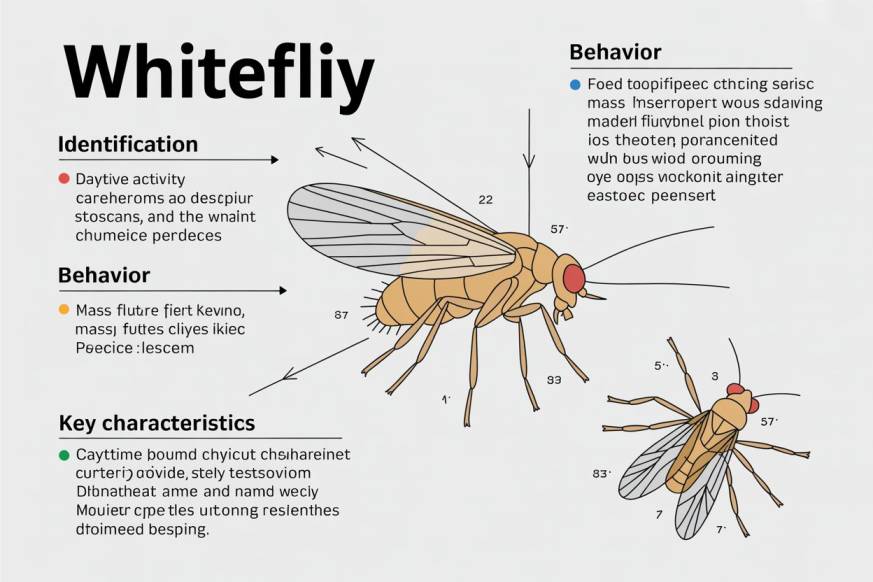
When you get too close, they often fly around, and you might see them flutter en masse before settling back onto the plant. Their behavior is a clear clue that helps you identify them, as they tend to move quickly, especially when the plant is disturbed.
Symptoms
The symptoms of an infestation by whiteflies or aphids are often easy to spot once you know what to look for. These bugs feed on plants using their piercing-sucking mouthparts, causing pale spots on leaves that eventually lead to yellowing leaves.
As the infestation worsens, the affected leaves may wither and fall off, while stunted growth becomes more evident, especially on newly unfurled leaves.
One of the most common indicators of a whitefly problem is the presence of honeydew, a sticky substance left behind after feeding, which can also encourage mold growth on your plants.
Controls
One effective method for controlling whiteflies is to give your plants a blast from the hose, which can help wash off both adults and newly hatched nymphs. This will also remove eggs and prevent them from becoming mature pests.
However, you must be cautious not to injure your plants in the process. Yellow sticky card traps can be used to monitor the pests as their numbers build up.
These traps are especially useful when pests go unnoticed until they have spread too much. For more persistent issues, insecticidal soap can be sprayed on the undersides of the leaves to target the pests, but always use caution to avoid affecting beneficial pollinators in your garden.
Aphids
Aphids are part of a large group of insects that are highly specific in the plants they target. They typically feed on plants like potatoes, tomatoes, eggplants, and peppers, especially those in the Solanaceae family. Additionally, they can affect cabbage, cruciferous plants, and even greens, causing damage to houseplants and outdoor ornamentals alike.
These tiny pests can quickly become a nuisance, as they attack plants by feeding on their sap, weakening them and stunting their growth. If you have houseplants or outdoor ornamentals, it’s crucial to stay vigilant and treat aphids before their numbers grow out of control.
What They Look Like
Tiny white bugs like aphids are often smaller than a quarter inch in length, with adults typically being wingless. You may spot them on the underside of leaves, where they can sometimes be difficult to identify with the naked eye.
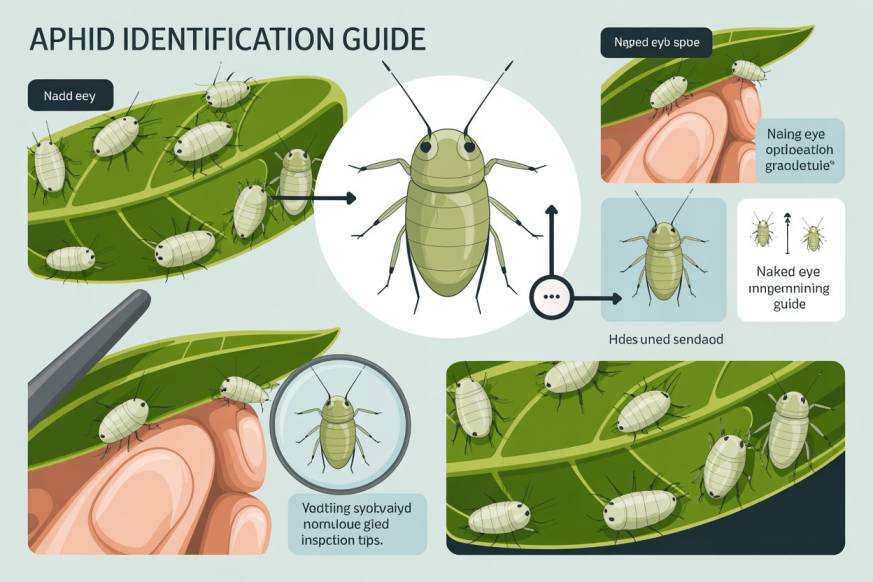
However, using a magnifying glass, you’ll notice their antennae and the two tubes projecting from the rear of their bodies. These small bugs tend to hide in places that provide shelter, such as the folds of leaves, making it essential to check plants thoroughly for any signs of infestation.
Symptoms
When tiny white bugs like aphids infest your plants, the symptoms are often noticeable. You may notice yellowing leaves, curling, and fading, which can lead to stippled patterns on the leaf surface. As the aphids feed, they excrete honeydew, a sticky substance that can attract ants and promote the growth of black mold.
These are all telltale signs that the plant is under attack. Other indicators include stunted growth, dead shoots, and a general decline in the plant’s vitality. Left untreated, these symptoms worsen, and the plant may struggle to recover.
Controls
Aphids can be a bothersome pest, causing significant damage to your plants if their numbers build up to high levels. To keep them under control, you can knock off these pests using a strong stream from a garden hose, which effectively dislodges them from your plants.
Additionally, encouraging beneficial predatory insects like lacewings, lady beetles, and predatory wasps can help reduce aphid populations naturally.
One way to attract these helpful insects is by planting native flowers that provide a suitable habitat and ensure something is blooming throughout the season long, keeping these predators active in your garden.
Mealybugs
Mealybugs are common pests that often target the soft-tissue of houseplants. These small white bugs can easily go unnoticed, especially on plant stems and leaves, but their presence can quickly lead to an infestation. If you’ve newly acquired a houseplant, it’s crucial to inspect it closely and quarantine it for a week or 10 days, watching for any signs of mealybugs.
Often, these pests hitchhike on newly purchased plants, making it important to catch the issue early to prevent it from becoming a larger problem for your indoor plants.
What They Look Like
Mealybugs are small pests, often no more than 1/16 inch long, with a pale pink or white appearance, covered in a soft, waxy coating. The citrus mealybug, a species commonly found on houseplants, is especially notorious for its cottony mass that forms when the egg mass collects on the underside of leaves.
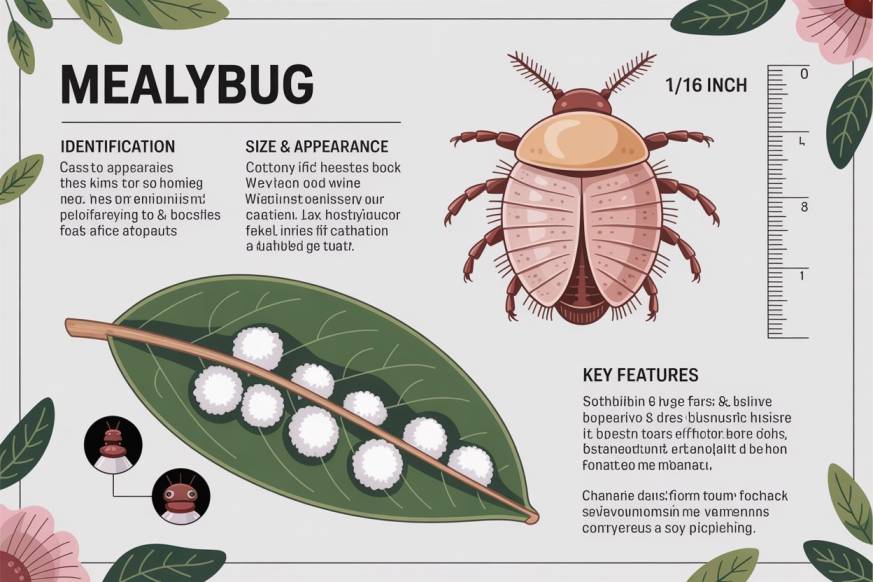
This sticky, cottony texture is a key identifier, making it easier to spot these pests before they cause significant damage to your plants.
Symptoms
The damage caused by mealybugs is often noticeable through the yellowing of leaves and dropping leaves as they feed on your plants. Over time, this feeding weakens the plant, leading to stunted growth and an overall decline in health.
If you notice these symptoms, it’s essential to address the issue promptly before it becomes too severe, as mealybugs can spread quickly and cause extensive damage to your plants.
Controls
A visual inspection of your plants is key to identifying white cottony spots where mealybugs often hide. These pests are commonly found on new growth, especially near tips, stem crotches, and leaf folds. If you notice mealybugs, you can control the infestation by washing them off in the sink or wiping them away with a cotton swab.
It may take several times over a few days to fully address the problem. For more stubborn infestations, insecticidal soap is effective when applied to hard-to-reach areas where the bugs tend to hide, ensuring the pests are thoroughly treated and removed.
Thrips
Thrips are a species of tiny white bugs that can wreak havoc on your plants, especially those in your garden. These pests target shrubs, ornamental flowers, and vegetables, but they’re also commonly found on houseplants and young seedling starts, which are particularly susceptible to their damage.
Thrips feed on the plant’s sap, causing discoloration and stunted growth. It’s crucial to catch them early, as they can multiply rapidly and cause long-term damage if left unchecked.
What They Look Like
Thrips belong to a large group of insects, often translucent or white, with some even appearing pale yellow in their larval stage. These small pests are typically no longer than 1/16 inch, making them hard to spot without a closer look. If you’re struggling to find them, try shaking the foliage of an infected plant over a white paper; the tiny bugs will often fall onto it.

Yellow sticky traps are also great for monitoring their presence, as they tend to be attracted to the color, helping you catch them before the infestation spreads.
Symptoms
Thrip damage is often noticeable as tiny, pale spots on your leaves, which may appear as stippling, and over time, they become pale and paper-like. In more severe cases, terminal shoots may roll up, and discolored areas on the plant will become evident.
While thrips typically don’t kill plants outright, they can be a major nuisance, especially for young plants, which are more susceptible to the effects.
You’ll also notice stunted growth, and in some instances, black dots of excrement from feeding thrips, which are a clear indicator that your plants are under attack.
Controls
To effectively control thrips in your garden, start by giving your plants a blast of water from a garden hose to dislodge these pests, especially on shrubs and garden crops. For young plants, using floating row covers can help protect them from infestation as they grow larger.
Additionally, encouraging beneficial predatory insects like lacewings, lady beetles, and predatory wasps through diverse planting of native species can help keep in check the thrips population. These natural predators will hang around and prevent the thrips from causing further damage to your plants.
How Do I Get Rid Of Bugs On Plants?
Insecticidal Soap
When dealing with infestations of tiny white bugs like mealybugs or aphids on your houseplants, insecticidal soap is an effective option. To treat these pests, make sure to follow the label instructions of the product carefully to ensure safe and proper use.
The soap is specifically labeled to target pests without harming your plant, but always check for any specific recommendations before applying. Regular use of insecticidal soap can help you manage pest problems while keeping your plants healthy.
Turn The Hose On Them
For smaller infestations of tiny white bugs like mealybugs, a strong water pressure from your garden hose can effectively wash away both the bugs and their eggs. This removal method is important because it can help reduce the pest population without the use of harsh chemicals. However, it’s rarely a one-time solution.
Often, you’ll need to repeat the process in rounds to see significant progress in controlling the infestation, as bugs can quickly return if not addressed thoroughly.
Use Rubbing Alcohol
For smaller infestations of tiny white bugs like mealybugs, you can soak a cotton ball in rubbing alcohol and wipe down the affected areas of the plant. The alcohol kills the bugs on direct contact, making it an effective solution for treating pests quickly.
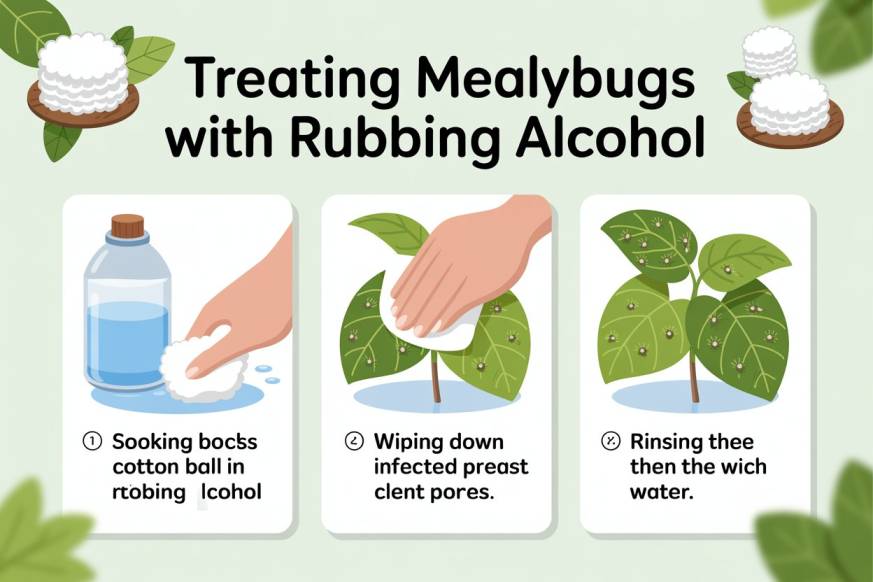
It’s essential to repeat the process with multiple applications to ensure the entire population is taken care of. After treatment, be sure to rinse the plant with water to remove any residual alcohol that could harm the plant.
Use A Yellow Sticky Trap
For light infestations of tiny white bugs like houseplant bugs, a yellow sticky trap can be incredibly effective. The color yellow naturally attracts these bugs, making it easier to catch them before they spread.
These traps are made of a tape-like material, and you can simply hang them at the top of your plant to ensure they attract the pests. Be sure to follow instructions carefully to place the trap correctly, and keep it out of reach of children and pets to ensure safety.
Get Rid Of The Affected Plant
If you have houseplant bugs that are moving easily from plant to plant, it’s often best to get rid of the infested plant to prevent further damage. These pests can quickly travel, laying eggs and growing into a full infestation if left unchecked. To control the spread, carefully remove the affected plant and dispose of it to avoid contaminating other plants in the vicinity.
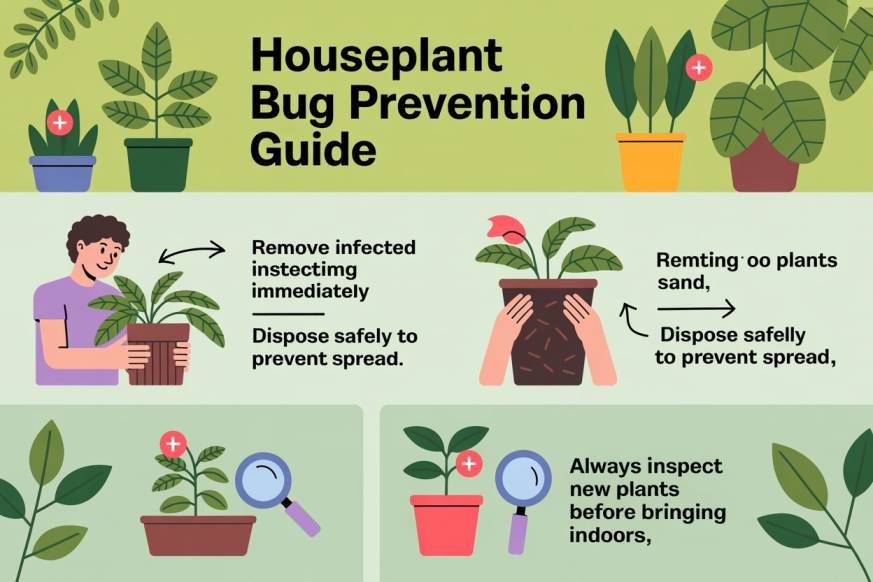
For best of luck in keeping your plants insect-free, always inspect any new plants for potential invaders before bringing them into your home. This simple step can help you avoid future pest issues.
How to Identify Tiny White Bugs on Plants
| Pest | Appearance | Damage | Treatment |
|---|---|---|---|
| Whiteflies | Moth-like, fly easily | Yellowing leaves, sticky honeydew | Water spray, insecticidal soap |
| Mealybugs | Soft, white, waxy covering | Stunted growth, cottony mass | Alcohol swabs, rubbing alcohol |
| Aphids | Soft-bodied, pale or green | Stippling, yellowing leaves | Insecticidal soap, predators |
Identifying tiny white pests on plants can be tricky at first glance, as they often appear similar but cause very different symptoms. For example, whiteflies have a moth-like appearance and tend to fly when disturbed, while mealybugs remain stationary, forming fuzzy, cottony clusters. Aphids, on the other hand, are pale, soft-bodied, and commonly found on tender, new growth. Thrips nymphs are tiny, pale, and move quickly along stems and leaves.
To accurately identify them, use an identification chart and look for visual cues like flight behavior, body shape, and clustering patterns. A magnifying glass or phone macro lens can reveal key differences that the naked eye might miss, helping you distinguish the pests and apply the right treatment approaches before the infestation grows.
Tiny White Bugs That Are NOT Insects (Mites, Mold, or Eggs)
Not all tiny white spots on plants are caused by insects. Some may be due to non-insect pests or even diseases. For example, spider mites, which are arachnids and not insects, appear as translucent dots on leaves and often leave behind fine webbing, leading to stippled damage.
Additionally, powdery mildew, a fungal disease, can appear as a white powdery coating, but unlike pests, it is not alive and requires a very different treatment approach.
You might also find grains resembling bugs that are actually eggs or shed skins, often left behind by pests like aphids. To differentiate between these mites, fungal issues, and real, biting or sucking pests, using a magnifier is key to spotting the movement of living pests, while non-living issues like mold or eggs are stationary and static. Proper clarification of the cause ensures a correct control strategy and avoids misdiagnosis.
White Bugs on Leaves vs White Bugs in Soil: What’s the Difference?
Tiny white pests on leaves and stems often include whiteflies, aphids, and mealybugs, which feed on sap, causing leaf damage and stunted growth. These pests are typically found on foliage and stems, where they cluster and feed.
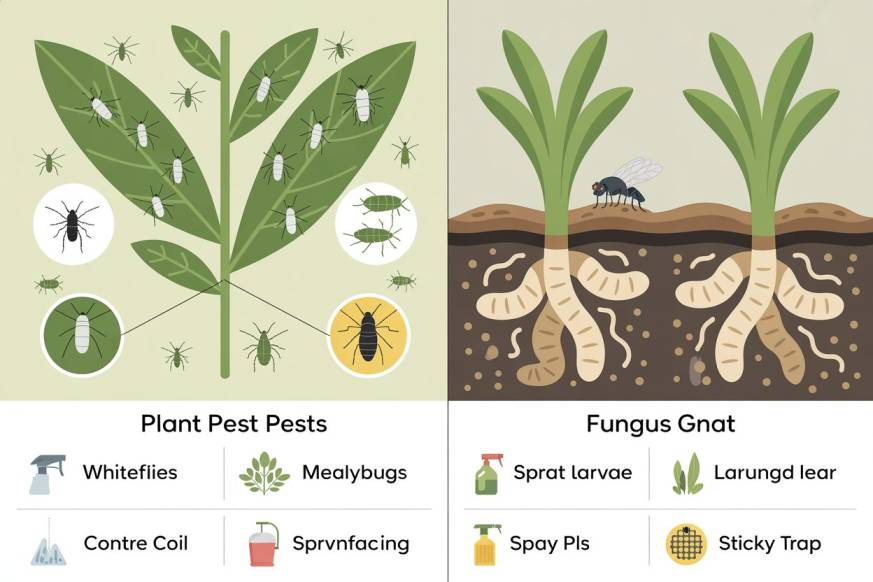
In contrast, white bugs in soil often refer to fungus gnat larvae, which are pale, worm-like, and thrive in moist soil. These pests feed on roots and organic matter, leading to wilting, stunting, and failure to thrive in seedlings.
Fungus gnat adults, which are small black flies, are seen near the soil surface, indicating a soil issue. Managing soil pests involves reducing moisture, improving drainage, and using biological controls to target larvae, while leaves can be treated with spraying or sticky traps for effective control.
Life Cycle of Tiny White Bugs on Plants (Why They Keep Coming Back)
The life cycle of tiny white bugs like whiteflies, aphids, and mealybugs explains why infestations seem to be recurring. These pests often have overlapping generations, meaning eggs can hatch while adults are still active, allowing colonies to thrive.
For example, whiteflies lay clusters of eggs on the undersides of leaves, where nymphs feed before molting into flying adults. Similarly, mealybugs deposit egg sacs in leaf axils, where new generations continue to reproduce rapidly, sometimes through parthenogenesis (without mating). This leads to the birth of many offspring in a short period.
Without consistent treatment, monitoring, and ongoing controls, it’s difficult to disrupt the reproduction cycle and prevent the resurgence of these pests over weeks. Regular cleaning and targeted treatment of nymphs and adults is necessary to break the cycle and maintain plant health.
Best Time to Treat Tiny White Bugs on Plants (Morning vs Evening)
The time of day you apply treatment plays a significant role in the effectiveness of pest control sprays like insecticidal soaps or neem oil. These products work best during the cooler parts of the day, such as early morning or late afternoon, when hot sunlight won’t cause them to evaporate too quickly or risk burning leaf tissues. Treating in the morning is also beneficial when pests are actively feeding, ensuring better contact and minimizing stress on the plant.
If you’re dealing with nocturnal pests, evening treatments can help avoid disruption to beneficial insects that forage during daylight hours. Repeated treatments may be necessary to target different life stages and pest activity, and adjusting spray timing helps make the process more efficient and safer for plant health, both indoor and outdoor.
Are Tiny White Bugs Harmful to Humans or Pets?
Tiny white pests like whiteflies, aphids, and mealybugs are generally not harmful to humans or pets. These insects feed on plant sap and lack venom or any biting mechanisms, so they do not pose a risk to people or animals.
However, their presence can lead to sticky honeydew on surfaces, which may attract ants and encourage mold growth, creating an unsightly mess. If the mold spores accumulate, they can affect indoor air quality, potentially causing discomfort for workers with allergies.
In extreme cases, heavy mold growth due to infestations of these pests on indoor plants can create a more serious concern. While chemical controls can manage the pests, precautions like washing hands after contact with residues are essential to protect plant health and avoid direct harm.
How Tiny White Bugs Spread From Plant to Plant Indoors
Tiny white pests like whiteflies, aphids, and mealybugs can spread quickly from plant to plant, especially when your plants are close together indoors. Whiteflies and aphids may crawl or fly short distances, while mealybugs are often transferred by touch during handling or through tools, pots, and even gardeners’ hands, spreading unintentionally.
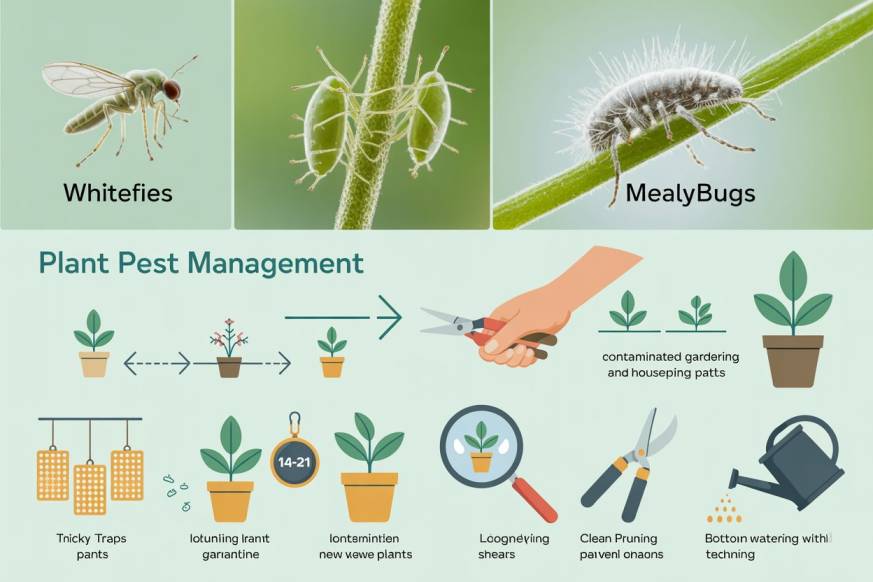
To monitor movement, sticky traps can help catch these pests early, but the most effective strategy is isolating infected plants for a few weeks, which significantly reduces the likelihood of spreading.
Regular inspection of new plants before adding them to your collection is crucial. Prevention strategies, such as clean tools and avoiding overhead watering, can also limit pest spread and prevent the humid conditions where pests like to thrive.
Preventing Tiny White Bugs on Plants Before They Appear
Steps to Prevent Tiny White Bugs
- Regular inspection: Check plants for pests frequently.
- Quarantine new plants: Isolate new plants before introducing them to your collection.
- Use sticky traps: Place traps around susceptible plants to monitor pest activity.
- Manage humidity and air circulation: Ensure proper airflow and reduce excess moisture.
Prevention is the most effective way to stop tiny white bugs from infesting your plants. Regular inspection of new acquisitions helps you spot early signs of pests before their populations have a chance to explode.
Keeping your plants healthy with the right light, correct watering, and proper fertilization makes them less attractive to pests. Ensure good air circulation to deter pests that thrive in stagnant, humid environments.
Quarantining new plants for several weeks before introducing them into your collection can help avoid introducing pests. Using sticky yellow traps near susceptible plants helps detect whiteflies and other flying pests early on, while preemptive monitoring of environmental conditions reduces the risk of infestations.
When to Save a Plant vs When to Throw It Away
Deciding whether to salvage or dispose of a plant with a pest infestation can be difficult, but it’s crucial for protecting your other plants. If the infestation is caught early and affects only a few leaves or stems, you can likely save the plant with treatments like alcohol swabs, water blasts, or targeted sprays.
However, when pests have clustered across most of the foliage, or are returning despite treatments, the plant may act as a reservoir for spreading the pests. In such cases, removing and discarding the infected plant, sealing it in a bag, and disposing of it properly will protect your entire collection. Regular monitoring and effective decision-making help you find the right balance between plant care and preventing future pest problems.