Are Cockroach Droppings Dangerous?
From my experience dealing with infestations, cockroaches are unwelcome guests that leave behind tiny poop souvenirs wherever they crawl, and even small droppings can carry risks you might not expect. Cockroach poop isn’t just unsightly; it can be truly dangerous, affecting your health in ways most people overlook.
When I first started inspecting homes, I learned to spot these signs quickly, because letting the problem get out of hand can make eradication far harder. There are plenty of jokes about these little critters, but the reality is serious: knowing the answers and understanding the risks can save you from bigger issues down the line.
What Does Cockroach Poop Look Like?
From checking kitchen spaces and damp corners over time, I’ve learned that cockroach poop may look small and subtle, but its appearance can tell you a lot about the size, type, and activity level of the roach behind it. Small roaches, especially German cockroaches, often leave droppings that look like black pepper or coffee grounds, usually gathered in clusters inside corners, cracks, and cabinets.
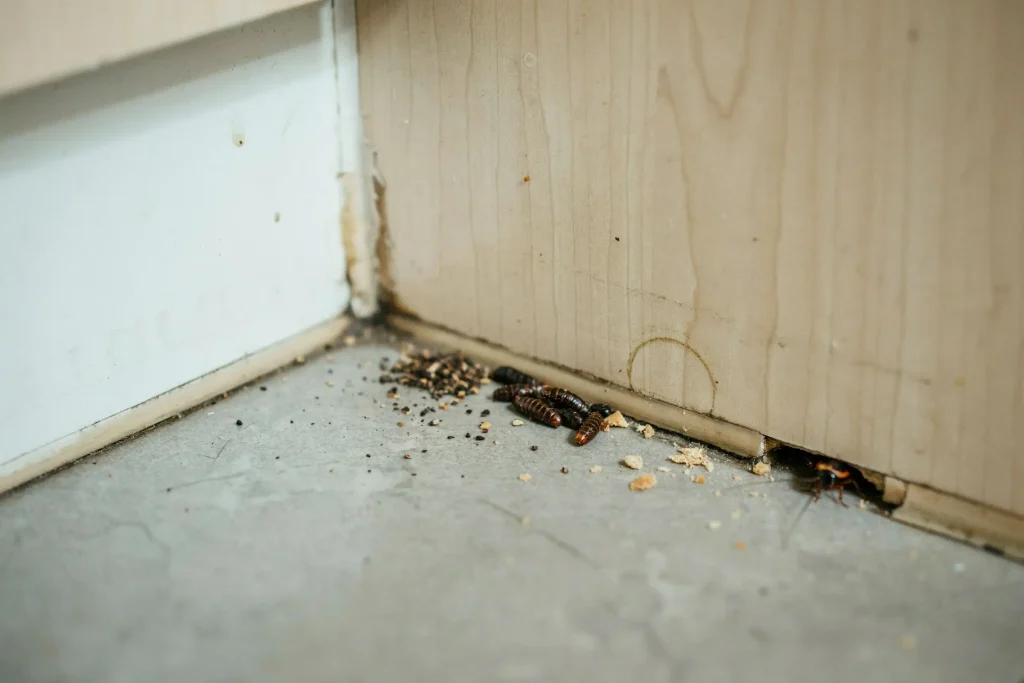
Larger roaches, such as American cockroaches, tend to leave miniature black cylinders, small pellets, or tiny, gross, bug-size pieces with ridged edges that can oddly remind people of Tootsie Rolls or candy. You may also notice streaky smears near damp areas, sinks, and drains, which are another common sign of cockroach feces and show clear differences between infestations.
Is Cockroach Poop Dangerous?
From what I’ve seen during pest cleanup checks, cockroach feces can be far more hazardous than most people think, because the poop left on your stuff is not just gross dirt.
Those droppings, whether they appear as little pellets or tiny droppings, may carry allergens, bacteria, and mold spores, which can turn a small mess into a big problem inside your home.
1. Health Risks
In my years inspecting homes, I’ve noticed that cockroach poop can trigger serious allergies and asthma, especially in sensitive individuals such as children and other people with preexisting respiratory conditions. These individuals are particularly vulnerable because the allergens present in cockroach feces can cause repeated flare-ups, making even small infestations a significant health concern.
Symptoms:
- Wheezing
- Skin rashes
- Coughing
2. Spreading Disease
During inspections, I’ve seen roaches frequent dirty places like sewers and trash bins, leaving poop that carries harmful bacteria such as E. coli and Salmonella, which can spread across surfaces and food. Cockroaches may eat anything in their path, and the resulting contamination is not just gross; it’s a serious risk for food poisoning in your home.
3. A Signal of Infestation
From my experience handling infestations, finding droppings can be alarming and often serves as a warning sign of a more significant problem. Roaches, being nocturnal and sneaky, leave poop as the only clue that they’ve set up camp in your house, making early detection crucial to prevent the situation from worsening.
How to Tackle Cockroach Poop and Infestations
Dealing with cockroach infestations and their droppings requires understanding the risks involved and taking steps to handle them effectively. Acting with swift action is essential because any delay can make the situation worse, increase the chances of recurring problems, and lead to future infestations, so a proactive approach always pays off.
1. Cleaning the Area
When cleaning up cockroach droppings, it’s important to be handled cautiously to prevent the spread of allergens and parasites. Wearing disposable gloves helps protect your skin from interaction with the feces, while vacuuming can assist in a thorough clean-up, though it may disperse allergen particles into the air. Always disinfect the affected area once it’s cleared away to ensure complete safety.
2. Secure Your Food
To protect your home from cockroaches and prevent them from infesting homes, it’s crucial to secure food and water sources. Limiting their access to these sources can reduce the chances of a roach infestation. Store edibles in airtight containers, keep your kitchen and dining areas clean, and promptly wipe up any spilled water or leftover drinks to make your home less inviting.
3. Inspect and Seal Entry Points
To stop cockroaches from entering homes, it’s essential to check for tiny cracks, crevices, and gaps in walls, doors, and windows. Carefully inspect your home for potential entry points and seal them to prevent roaches from entering and starting a new infestation.
4. Dealing with the Roaches
Once you have secured food and sealed entry points, it’s time to deal with the roaches using a mix of home remedies or commercial products, but tackling a cockroach infestation can be challenging for an untrained individual. This is where a professional pest control service comes in, handling cockroach droppings, clearing allergens, and providing a comprehensive roach control solution. For advanced infestations, their expertise ensures complete removal and effective removal of droppings, keeping your home safe and hygienic.
Differences Between Cockroach Species
| Species | Adult Size | Color | Wings | Habitat | Diet | Lifespan | Reproduction | Risk Level |
|---|---|---|---|---|---|---|---|---|
| German Cockroach Blattella germanica Highest Risk | 13–16 mm~0.5–0.6 in | Light brownTwo dark stripes behind head | PresentRarely flies | Indoors only. Kitchens, bathrooms, behind appliances | Starchy foods, grease, soap, toothpaste | 100–200 days | Very High. Up to 400 offspring30–40 eggs per case | Very High |
| American Cockroach Periplaneta americana Moderate Risk | 35–53 mm~1.4–2.1 in | Reddish-brownYellowish figure-8 on head | YesCan fly in warm weather | Sewers, basements, drains. Enters via pipes | Decaying matter, garbage, plants, insects | Up to 700 days | Moderate. ~150 offspring14–16 eggs per case | Moderate |
| Oriental Cockroach Blatta orientalis Lower Risk | 18–29 mm~0.7–1.1 in | Dark brown / blackShiny, glossy appearance | Cannot flyMale has short wing pads only | Cool, damp areas. Drains, crawl spaces, leaf litter | Decaying organic matter and filth | ~180 days | Lower. ~130 offspring16 eggs per case | Lower |
Where Should You Look for Cockroach Poop?
In my experience, cockroach poop is usually found wherever roaches like to party, especially in dark spaces and hidden spaces that offer easy access to food and water. When spotting these dirty deeds, focus on common hot spots such as kitchen cabinets, drawers, behind appliances like fridges and stoves, around sinks, inside bathroom corners, throughout laundry rooms, and behind furniture or along baseboards, where activity often goes unnoticed for weeks.
How Do You Get Rid of Cockroach Poop (and the Roaches)?
Once poop is found, it’s time to send the roaches packing by handling the mess the right way and stopping the issue from coming back. I usually suggest starting with a careful clean up, then checking nearby hiding spots, sealing gaps, and removing food or water sources so you can prevent future droppings before the infestation spreads further.
1. Put on Gloves and a Mask
Before handling cockroach poop or any droppings, it’s crucial to protect yourself because these can trigger allergies. Always wear disposable gloves and a mask when handling the mess to reduce exposure and keep the cleanup safe and hygienic.
2. Clean the Droppings Thoroughly
Use soap and water first, then apply a disinfectant to wipe down all surfaces where feces were found, because rushed cleanup can leave hidden residue behind. From experience, I always tell people to throw out anything disposable used during the process and never reuse a poop-smeared sponge, as that can spread the mess instead of removing it.
3. Seal Off Entry Points
Cockroaches are experts at sneaking through the tiniest cracks, so I always check around windows, doors, and plumbing before calling a space secure. Use caulk or weather stripping to seal visible holes and gaps, because blocking these routes helps stop new roaches from entering after the droppings are cleaned.
4. Eliminate Food Sources
To keep roaches away, make sure your kitchen stays crumb-free and always store food in sealed containers. These pests are incredibly resourceful and will munch on anything from leftover soap to scraps of paper if necessary, so maintaining strict cleanliness is key to preventing infestations and reducing cockroach droppings.
5. Call a Pest Control Professional
When droppings keep appearing despite your best efforts to clean, it’s wise to call in the pros. A reliable pest control service can identify the source of the infestation, get rid of the problem efficiently, and ensure your home stays good and safe from future cockroach droppings.
Step-by-Step Cleaning Process
- Put on protective gear, including gloves and a mask, before touching anything to protect yourself from direct contact with allergens and pathogens.
- Avoid dry sweeping or using a standard vacuum; sweeping can scatter allergen particles into the air, so use a HEPA-filter vacuum when dealing with large amounts of dried droppings.
- Apply disinfectant or a bleach solution to the affected area and let it sit for 5 minutes to kill bacteria before you disturb droppings.
- Wipe surfaces with damp paper towels or damp disposable cloths to pick up droppings, working carefully to avoid spreading contamination to unaffected areas.
- Discard waste in sealed bags, including used paper towels and disposable materials, placing them in a sealed plastic bag and removing it from the home immediately.
- After clearing, disinfect the entire surface or cleaned area and wipe down thoroughly.
- Finally, wash hands with soap and water for 20 seconds, even after removing gloves.
How to Prevent Cockroach Poop in the Future
To avoid cockroach droppings and prevent roaches from moving in, follow practical tips to keep your home poop-free. Fix leaks, dry out damp areas, and remove water sources that let them survive.
Vacuum and sweep regularly to eliminate crumbs and food debris, take out trash daily, especially during warmer months, and inspect groceries, packages, and hidden bugs before bringing inside.
In places like Las Vegas, where cockroaches thrive in desert heat, being proactive with pest control during the off-season can reduce chances of finding droppings scattered around home, including nasty little droppings that indicate early infestation.
How to Spot Cockroach Droppings in Your Home
When spotting cockroach droppings early, it’s important to recognize the serious health risks they pose. Look for coffee grounds or black pepper specks often found in clustered groups and never isolated, left by smaller species like German roaches with dark, rice-grain-sized droppings, or larger species producing coarser, black-pepper-like specks.
Common areas include kitchens, near stoves, cabinet corners, sinks, and around large appliances, as well as bathrooms, plumbing, and moisture-prone cracks. You may also notice dark smear marks, visible stains, or a musty odor that can intensify as a growing infestation spreads across multiple locations.
Daytime roach sightings, dark brown egg cases, and signs of a serious, active infestation require immediate action, since female cockroaches produce dark brown egg capsules called ootheca, each capable of releasing 25 to 40 nymphs, signaling a rapidly escalating problem.
Cockroach Poop: Your Call to Action
Cockroach poop may look small, but it is not a problem to ignore, because those black specks can signal a real health risk and a larger infestation hiding nearby.
From experience, once you see tiny coffee-ground droppings or pellet-like feces, it is time to act, clean up carefully, seal entry points, and contact a pest control service before cockroaches spread further.
If you find poop, the roaches are usually not far behind, so kicking pests to the curb with Dr. Death Pest Control can help keep your home roach-free, poop-free, and safe for good.